
MEASURING IMPACT

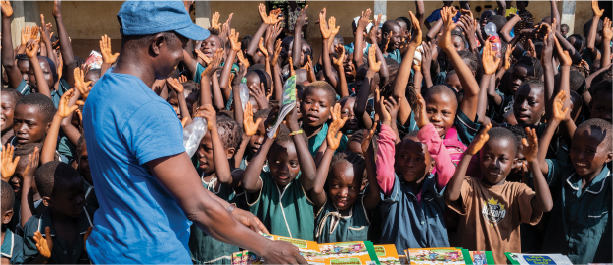
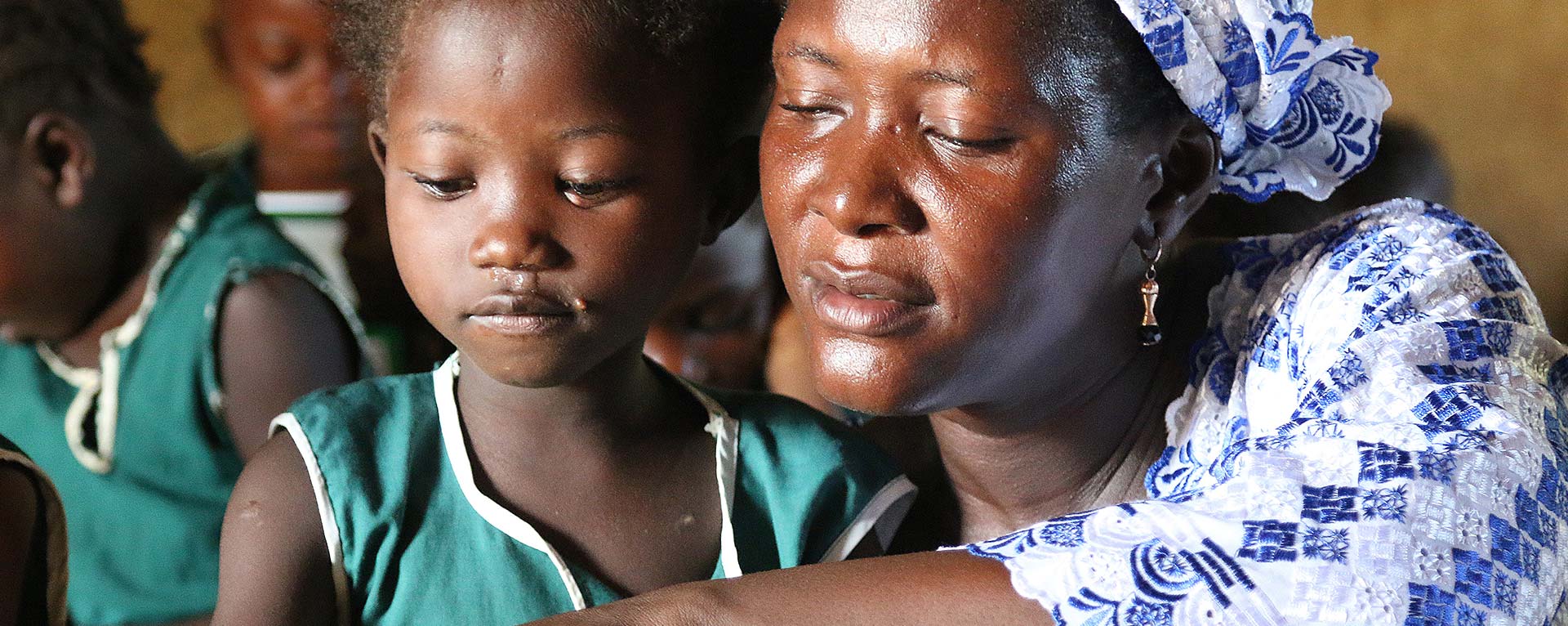
To impact the most children, we work directly with teachers, building their skills and providing the resources they require to use those skills effectively. CODE strives to constantly improve the quality of our international programs so that we deliver maximum sustained impact on the literacy and learning outcomes of children and youth reached through our projects.
FIVE YEARS OF TRANSFORMING LEARNING
1,750,643
students reached

36,196
individual educators trained
1,364,097
books distributed
At CODE, evidence drives our decisions. We are committed to measuring meaningful improvements in children’s reading, writing, and comprehension – not simply tracking the number of books delivered or teachers trained.
Using rigorous evaluation methods, including baseline and endline assessments, comparison groups, classroom observations, and interviews, we measure whether learning outcomes have improved and whether those improvements can be attributed to our work. Many of our studies are led by independent evaluators, and we analyze results by gender and other key characteristics to ensure every child has the opportunity to succeed.
The evidence we generate doesn’t sit on a shelf. It shapes how we refine our programs, strengthen partnerships, and maximize impact, thereby helping more children develop the literacy skills they need to thrive.
AVERAGE READING COMPREHENSION SCORES
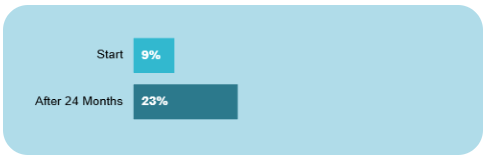
The average grade 2 reading comprehension score increased from 9% to 23% within 24 months of students and teachers participating in the Teaching and Learning in Fragile Contexts project.
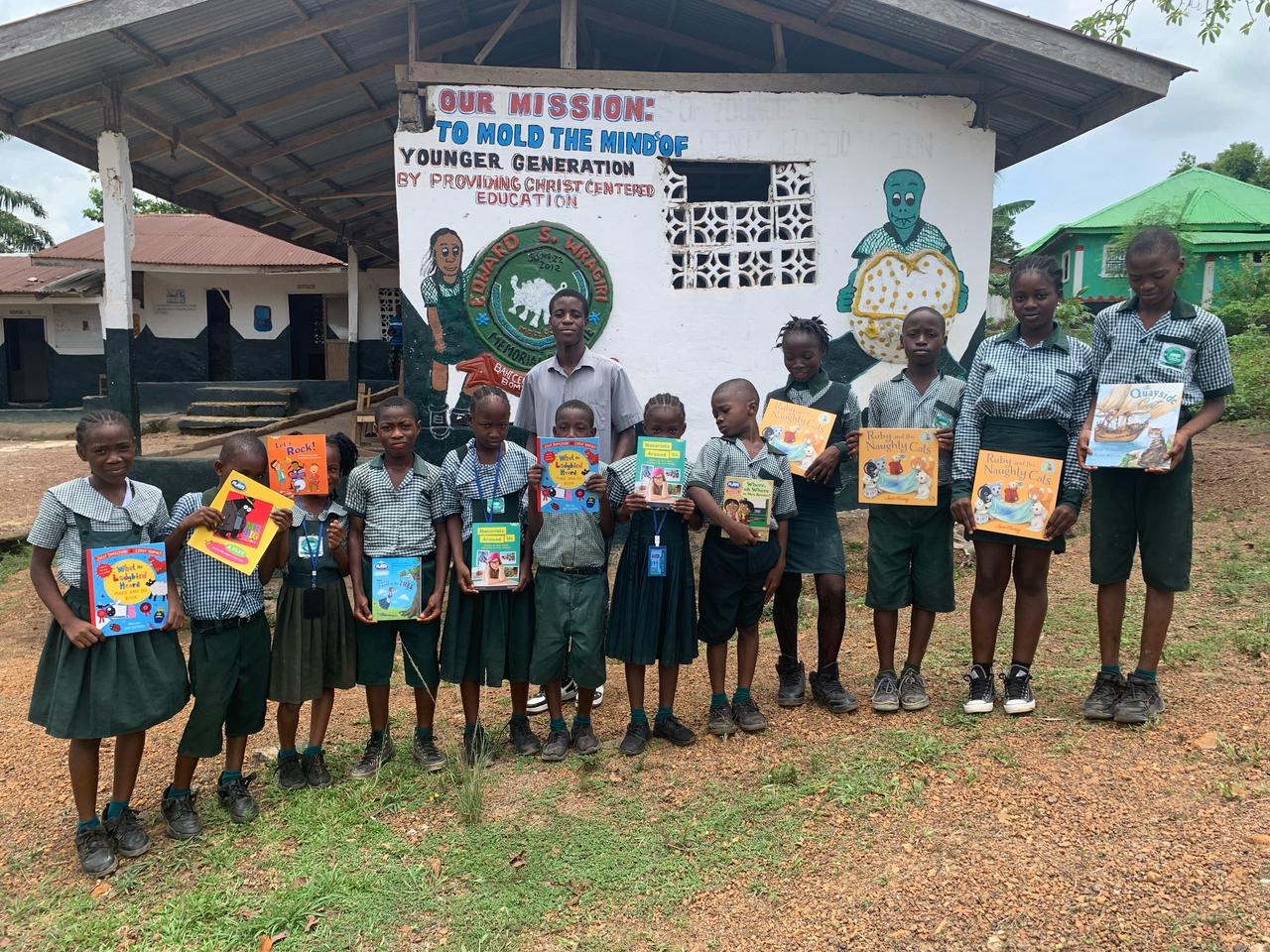
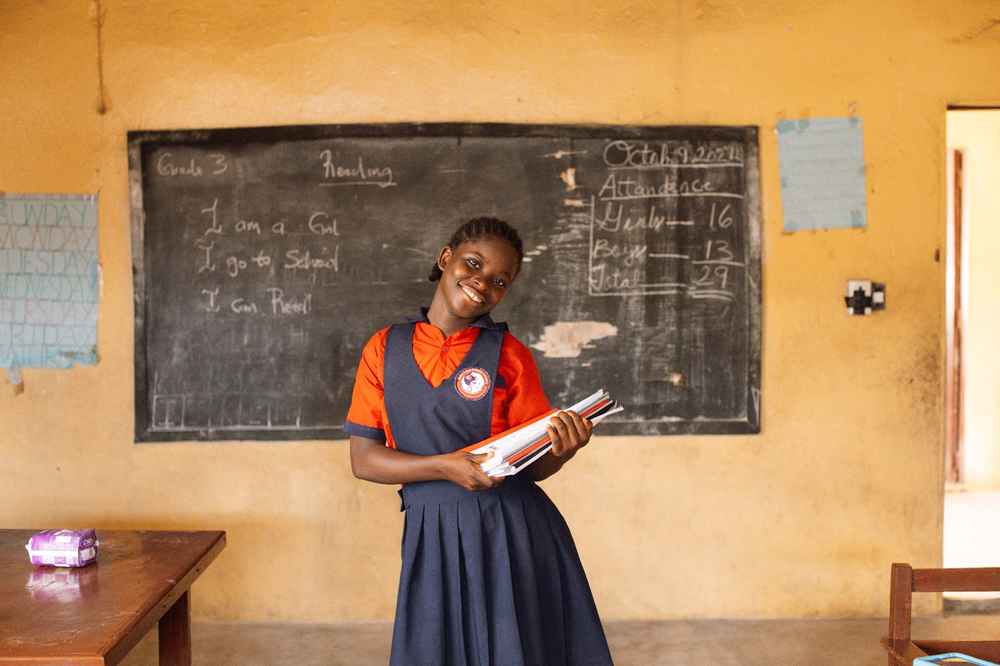
ACCELERATED GRADE-LEVEL PROMOTION IN LIBERIA
82% of girls in Liberia’s Girls’ Accelerated Learning Initiative were promoted mid-year, putting them firmly on track to being double promoted in a single year. Getting girls to an age-appropriate grade helps increase their chances of staying in school.
STRONG STUDENT LITERACY IN GHANA
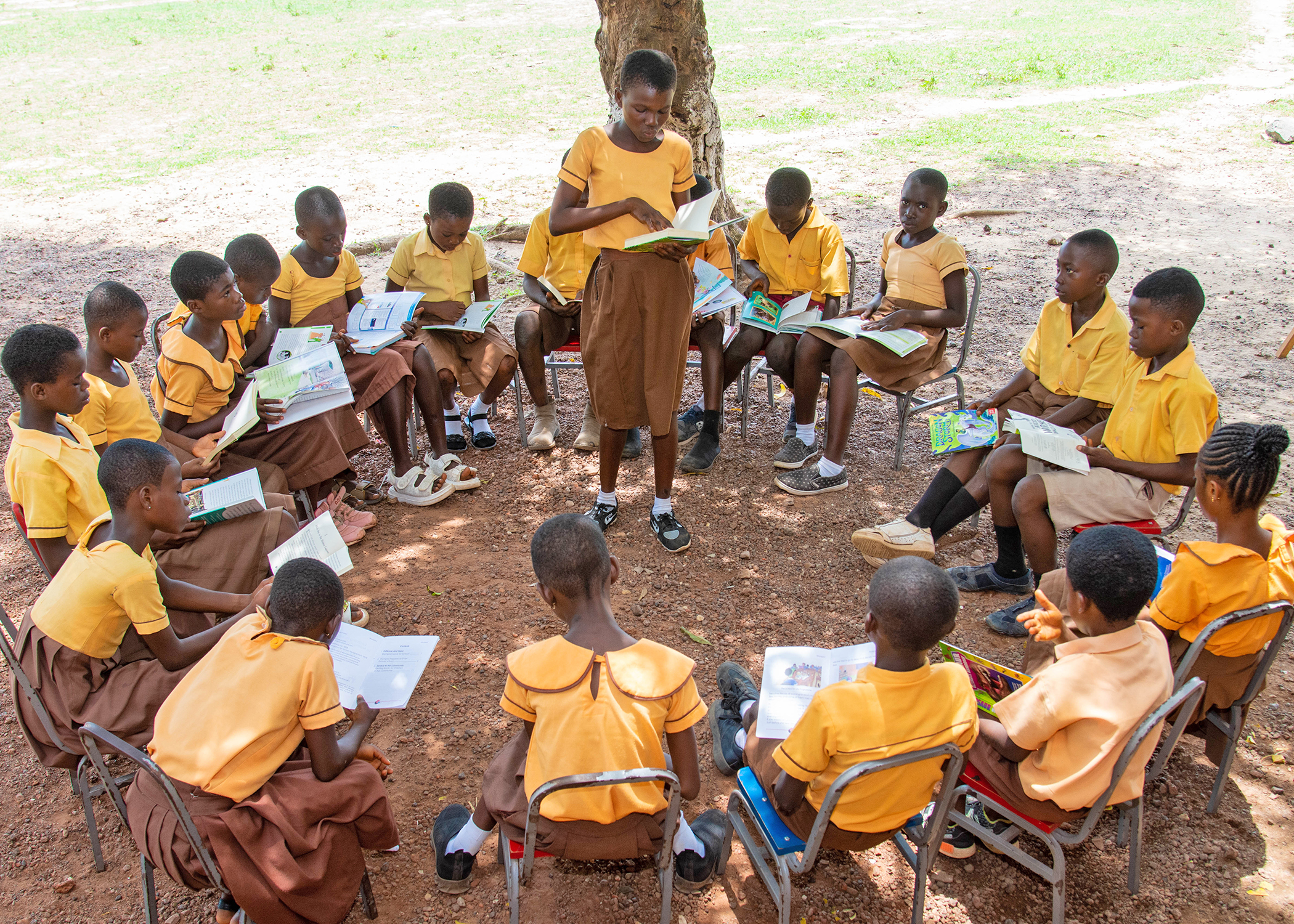
Reading comprehension scores for grade 5 students in the Reading Ghana Western Region program increased by 15% over 16 months as compared to stagnated scores of students not in the project.
IMPROVED STUDENT LITERACY IN LIBERIA
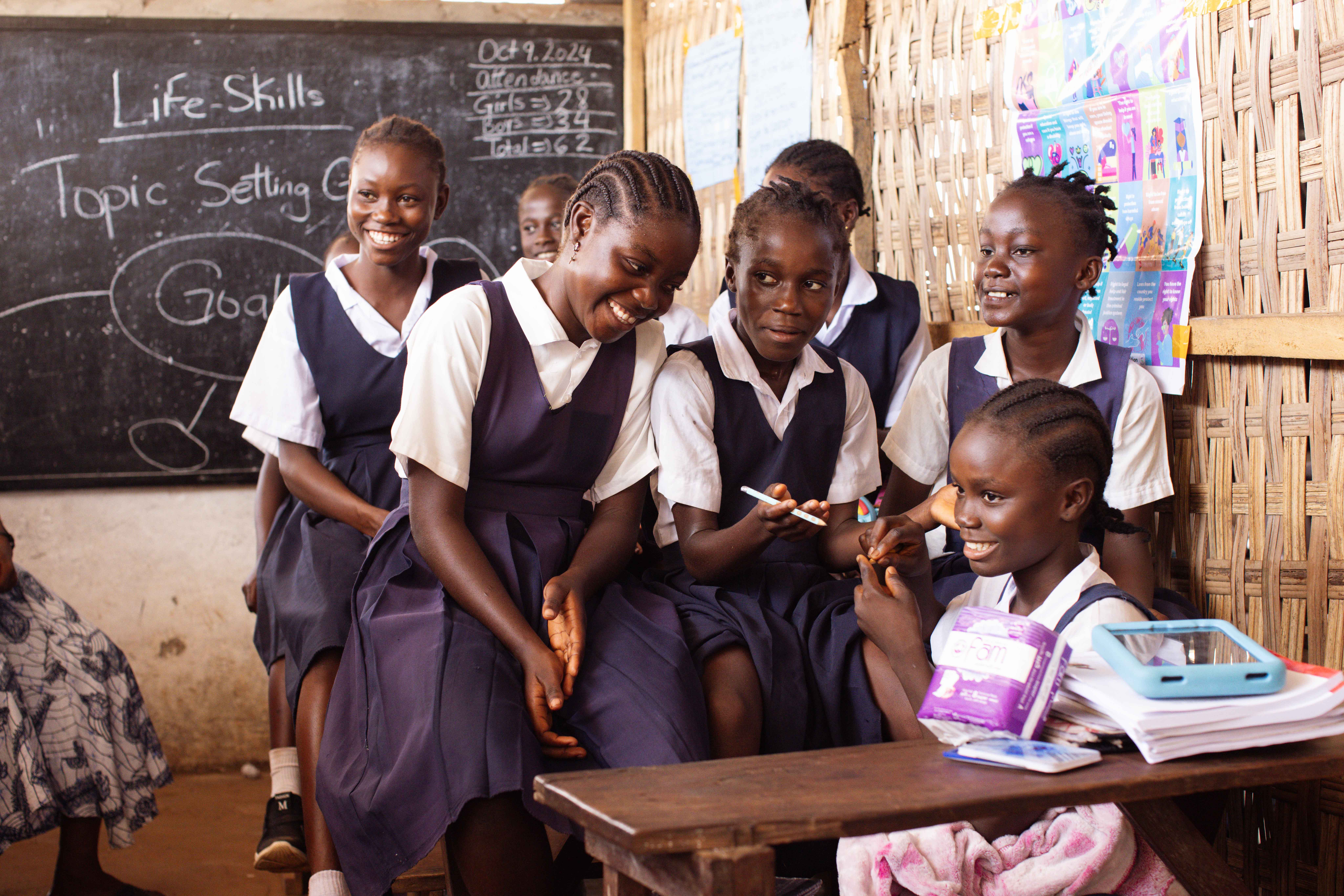
After 9 months, the average reading comprehension scores for grade 1-3 students in the Girls’ Accelerated Learning Initiative were substantially higher than those students not in the project.
IMPROVED TEACHER CONFIDENCE
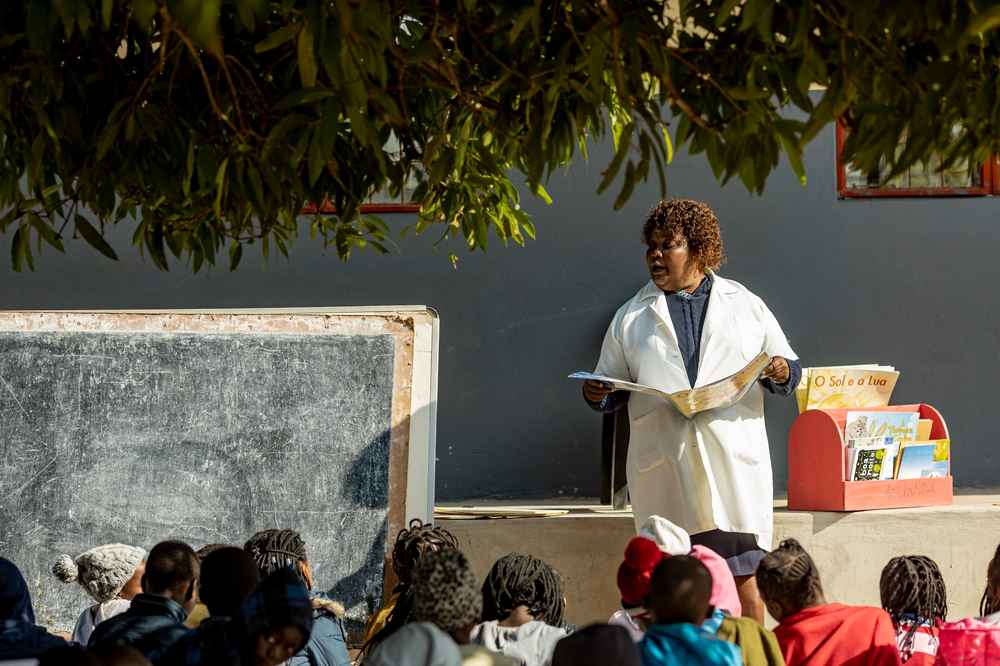
Today, 95% of BETTER project teachers in Mozambique feel confident using student-centered, gender-sensitive teaching approaches – up sharply from only 37% before the project.
TEACHERS USING BEST-PRACTICE STRATEGIES
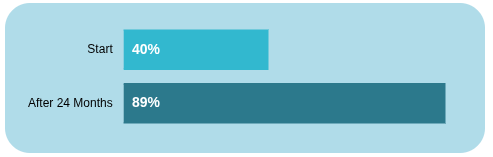
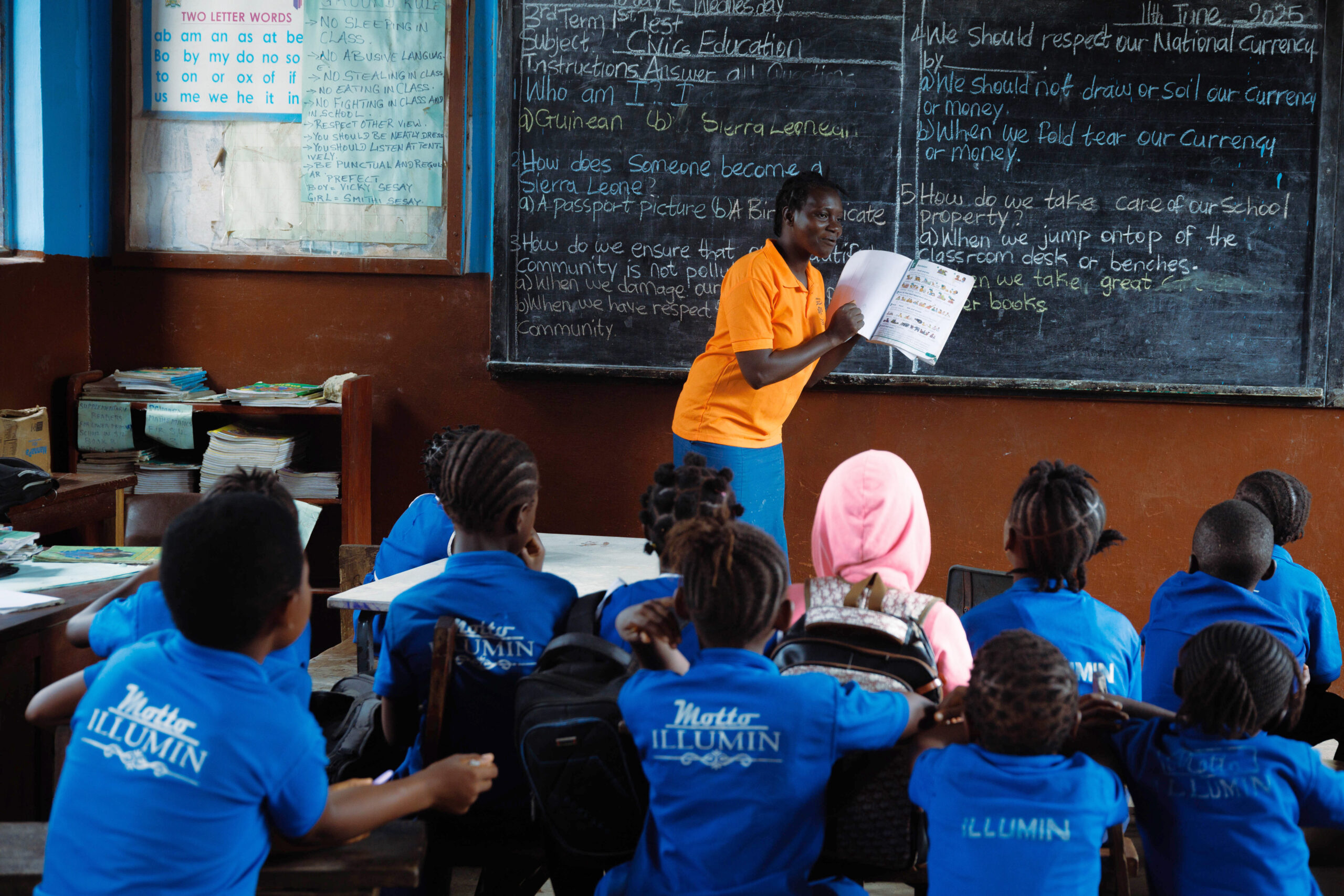
In Sierra Leone, grade 2 teachers using and adapting best-practice strategies from the Teaching and Learning in Fragile Contexts project grew from 40% at the start to 89% midway through the 4-year project – showing major gains.
IMPROVED STUDENT LITERACY IN TANZANIA
Data from 2023 indicated that 61% of Tanzanian students aged 10 - 14 cannot read and understand a simple text; in CODE project schools 84% of grade 3 students were able to read grade-level text with comprehension
Impact Sheets
A few times as year, CODE publishes a short snapshot of the amazing impact that our supporters are having. These Impact Sheets are intended to be brief, yet informative, “highlights” documents. Should you wish to learn more about any topic or story featured, please don’t hesitate to reach out to us at info@code.ngo