



This year’s Annual Impact Report reflects both the progress we have made and the lessons that are shaping CODE’s work for the future.
Across our programs, the evidence continues to strengthen. We saw meaningful gains in teacher practice, reading comprehension, student literacy outcomes and girls’ progression through school. These results are important not only because they demonstrate impact, but because they deepen our understanding of what contributes to lasting improvements in teaching and learning.
We know that strong results are built over time. Ongoing coaching, opportunities for teachers to learn from one another, effective education leadership, meaningful community engagement, and access to relevant and engaging books all play an important role. This growing body of evidence is helping CODE and our partners make more informed decisions about where to focus and how to achieve the greatest possible impact.
As several large, multi-year projects approached completion, the number of children, teachers and schools reached this year was lower than in previous years. While scale remains important, reach alone does not tell the full story. The strength of our work is also reflected in the quality and sustainability of the outcomes achieved, and in what remains when a project ends.
We are seeing encouraging examples of this across our projects. In Ghana, education authorities are extending successful approaches into additional schools. Teacher-training institutions are incorporating improved pedagogy into their curricula. Across the countries where we work, our African partners are leading implementation, adapting approaches to their own contexts and strengthening the systems and institutions that will carry the work forward. This is an important measure of success and a reflection of CODE’s longstanding commitment to locally led development.
This work is taking place in an increasingly challenging environment for international development and education. The need remains significant, while resources are becoming more constrained. In this context, strong partnerships, clear evidence, accountability and a disciplined focus on what works are more important than ever. CODE will continue to work with governments, foundations, corporate partners and individual donors to mobilize support and extend proven approaches.
We are deeply grateful to our partners across Africa, whose leadership, expertise and commitment are central to everything we achieve. We also thank CODE’s Board of Directors and the CODE Foundation Board for their leadership and stewardship, and our government, foundation, corporate and individual donors for their continued confidence and support. We also recognize the extraordinary commitment and determination of our Summit for Literacy team as they prepared to take on the challenge of Kilimanjaro in support of children’s literacy. Their dedication reflects the generosity and shared sense of purpose that define the broader CODE community.
Over the past year, we have also continued to advance our strategic priorities and strengthen the organization for the future. Our Imagine Canada accreditation and external recognition for impact and accountability reinforce our commitment to strong governance, transparency and continuous improvement.
As we look ahead, we do so with a stronger evidence base, a clearer understanding of what drives lasting literacy gains and a continued belief in the transformative power of education. Our focus remains on working alongside our partners to strengthen education systems, extend what works and create greater opportunities for children to learn, grow and thrive.
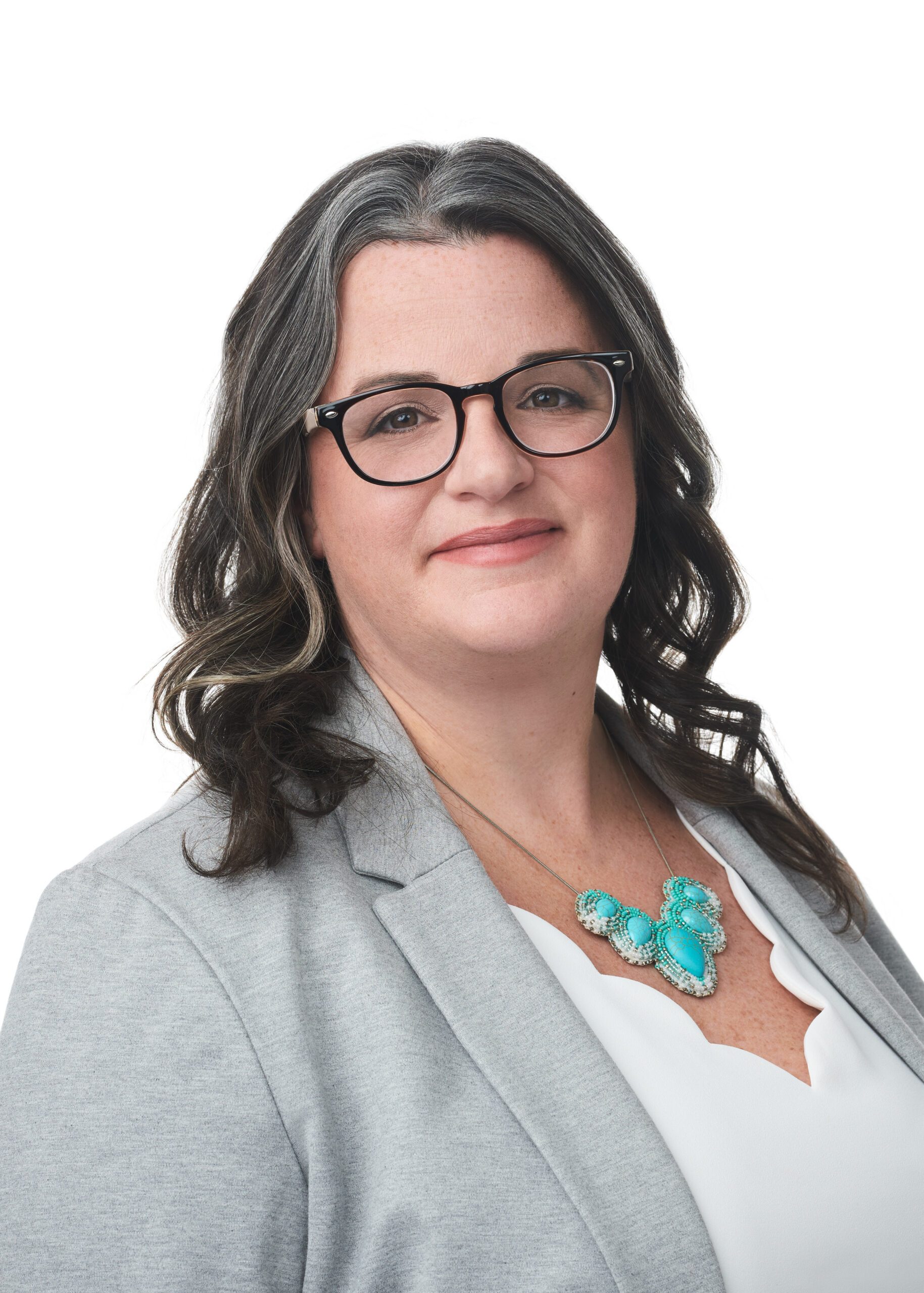
Janice Ciavaglia
CEO
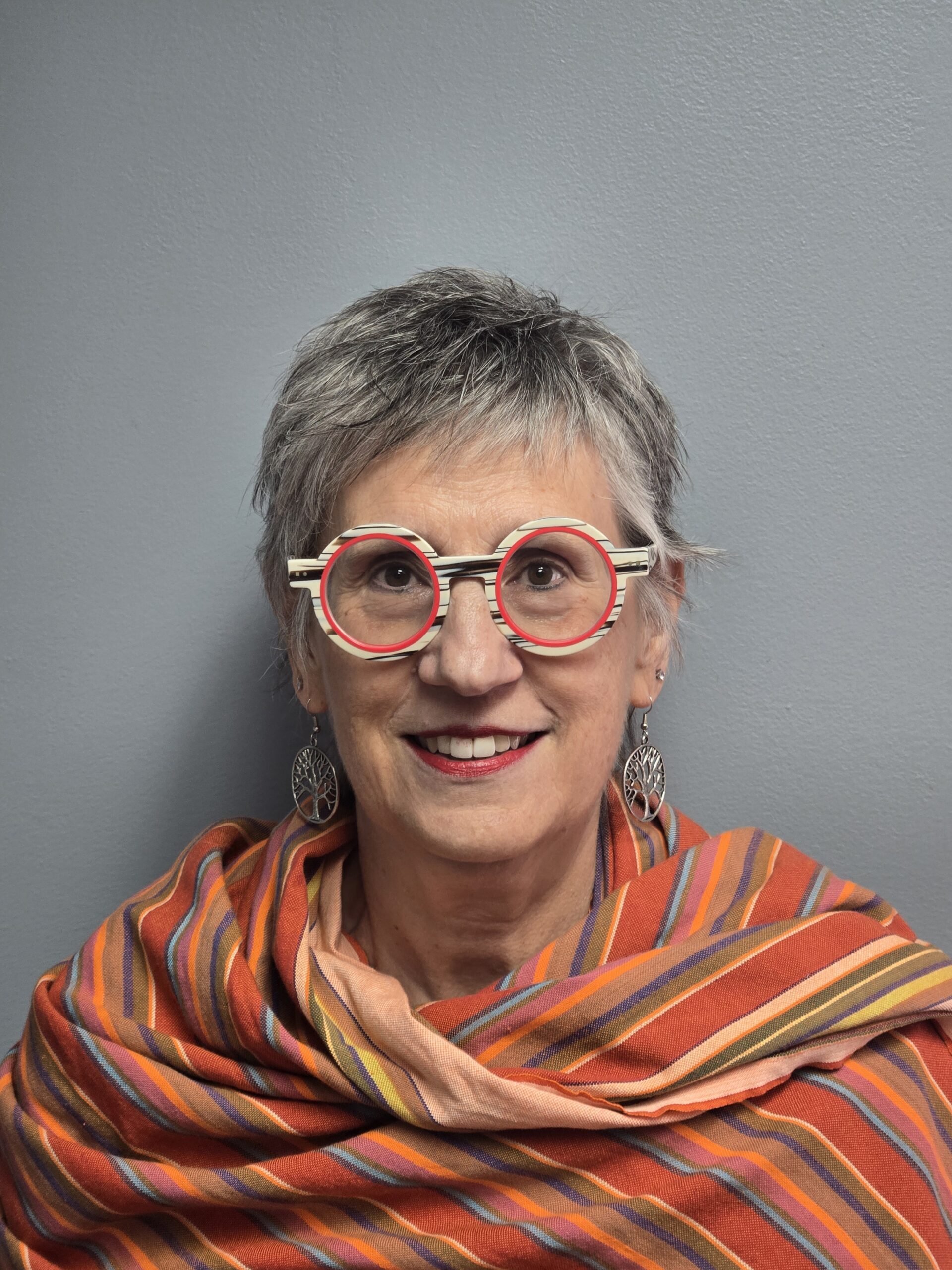
Nathalie O’Neil
Chair

– Victor, Teacher, Mhola Primary School, Tanzania

Over our 67 year history, CODE has, with the support of our partners and donors, helped more than 10 million children build reading skills and have access to better quality education. This has not only transformed the lives of the children, but of their families and their communities.
Our work is inspired by our vision, driven by our mission, and grounded in the values that guide us every day.
A world where every child can read and write.
CODE collaborates with local partners to create supportive learning environments that foster effective literacy practices and promote engagement between families, communities, and schools to advance children's reading and writing abilities.
Human Rights, Accountability, Transparency, Equity and Sustainability.
Nearly 9 in 10 children in Sub-Saharan Africa are unable to read and understand a simple text by age 10.
Source: World Bank Group, 2026An estimated 15 million additional teachers are needed in Sub-Saharan Africa by 2030 to achieve quality education for all.
Source: UNESCO, 2024Sub-Saharan African countries represent 79% of the global $97 billion education financing gap.
Source: UNESCO, 2025Stories of Change
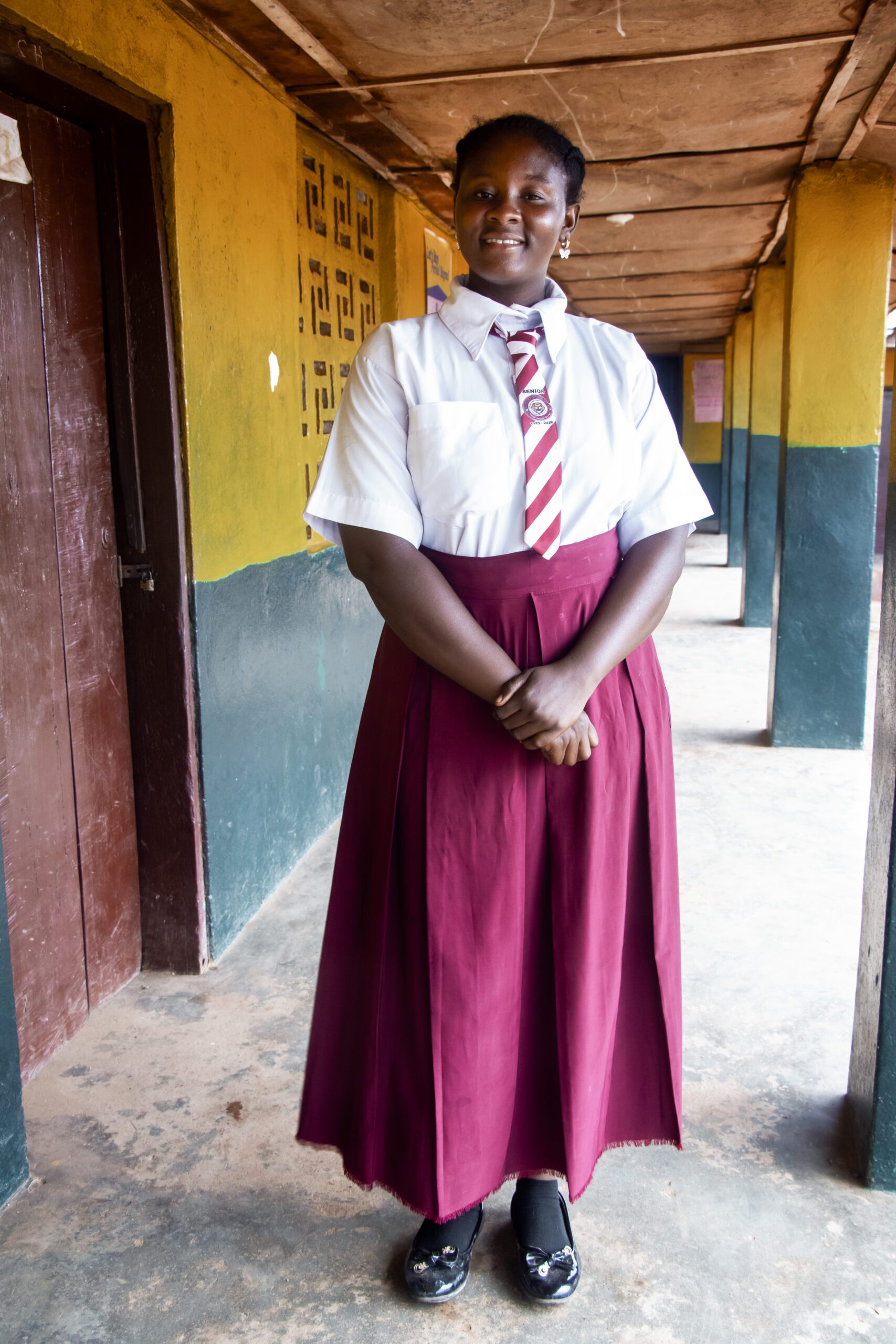 Credit: Turvon Weah/CODE, 2026
When Grace joined Girls' Accelerated Learning Initiative (GALI) in 2018, she was 12 years old, sitting in a Grade 1 classroom and unable to read on her own. Surrounded by much younger children, she wondered whether she belonged.
GALI changed that. With extra learning support, an encouraging teacher and a new friend named Sarah who understood what she was going through, Grace began catching up, sometimes advancing two grades in a single year.
Eight years later, Grace has graduated from secondary school, one of GALI’s first participants to reach this milestone. She dreams of a career in business and wants to mentor younger girls, just as others once supported her.
“GALI helped me build that confidence that I will make it and I will reach far.”

The most important thing I’ve learned in GALI is to go for what I want and to be independent. It built my self-esteem and gave me confidence.
True impact lies not only in reach, but in the quality of teaching and how strongly literacy skills take root to create lasting changes in children's lives.
Teachers in Reading Ghana Western Region effectively using learner-centered and gender-responsive teaching practices increased from 29% at baseline to 82% by project completion.
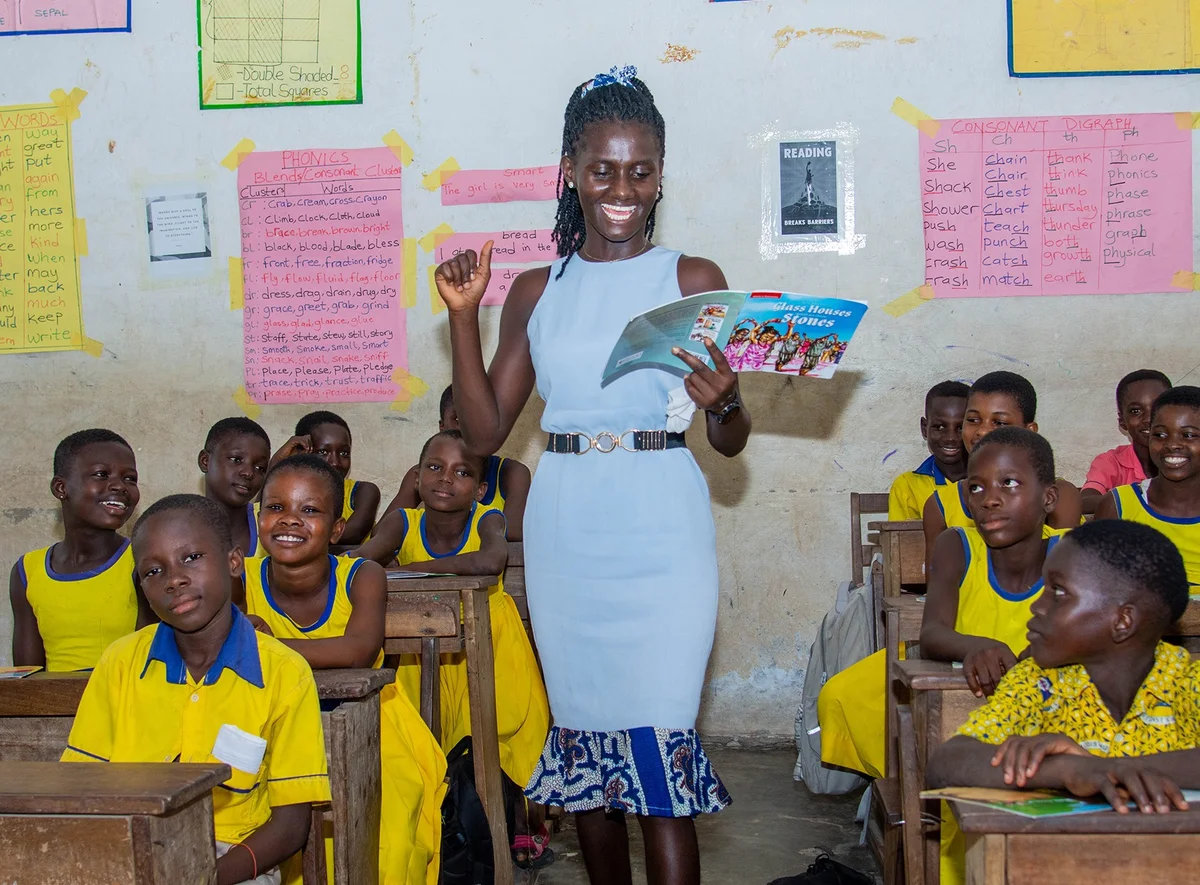
By the end of Reading Ghana Western Region, Primary 5 learners in project schools achieved reading comprehension at more than twice the rate of learners in comparison schools.
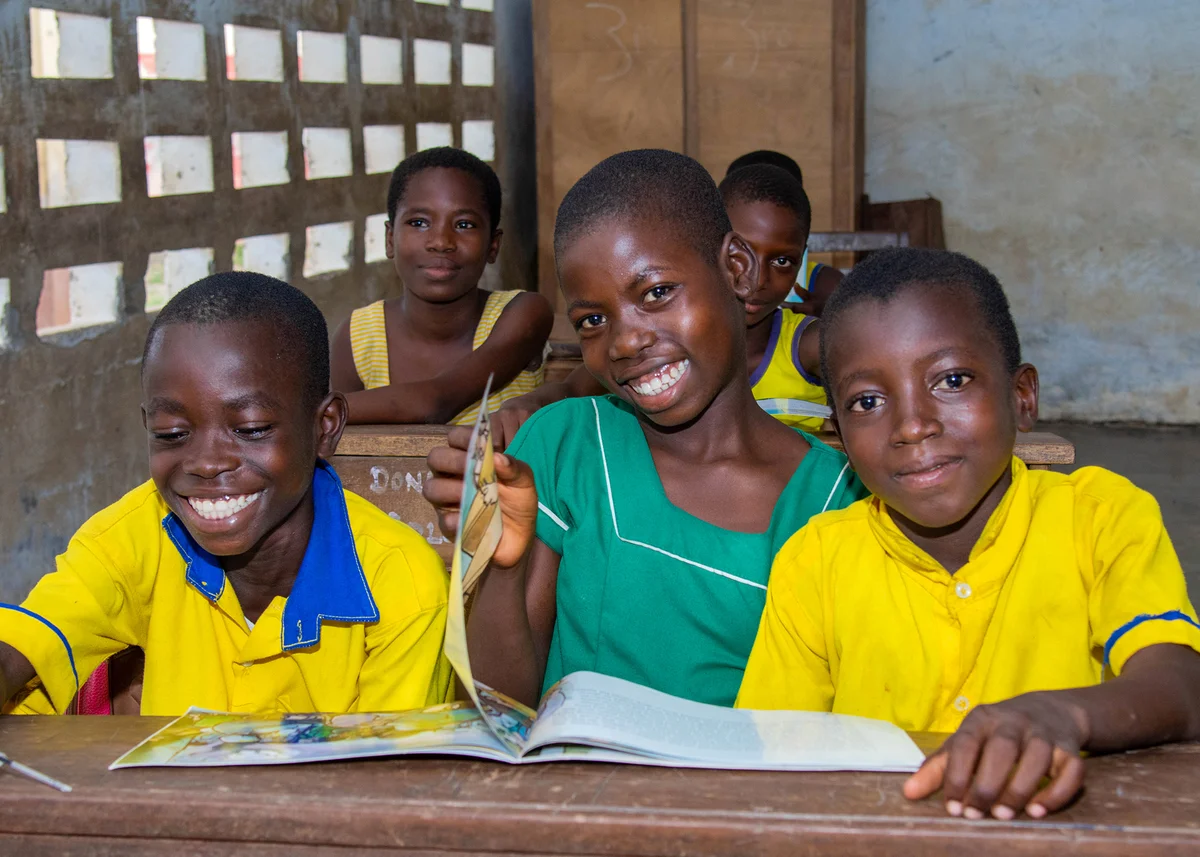
81 percent of girls participating in the GALI-X (Liberia) project were promoted two grade-levels in a single year, while 17 percent were promoted one grade-level.
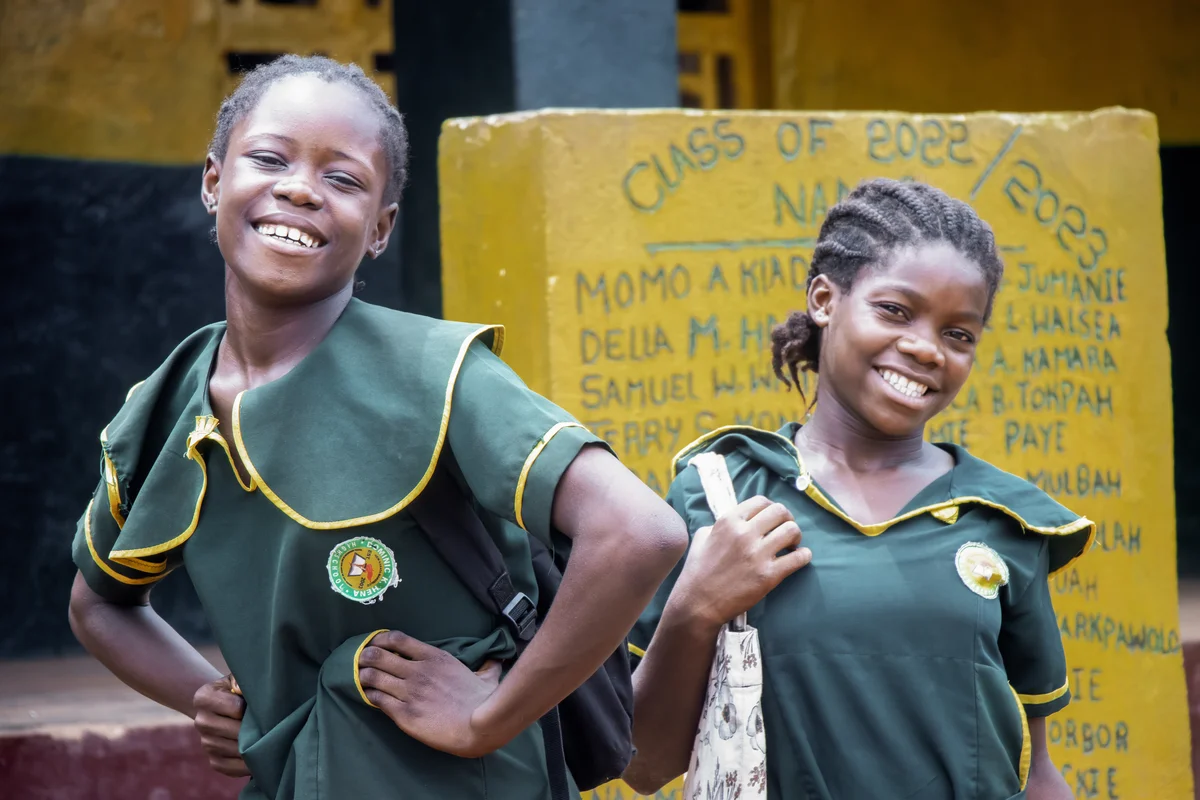
After just six months in the GALI-X (Liberia) project, participants' knowledge of HIV/AIDS increased from 17% to 73%, compared with 14% among girls in the control group.
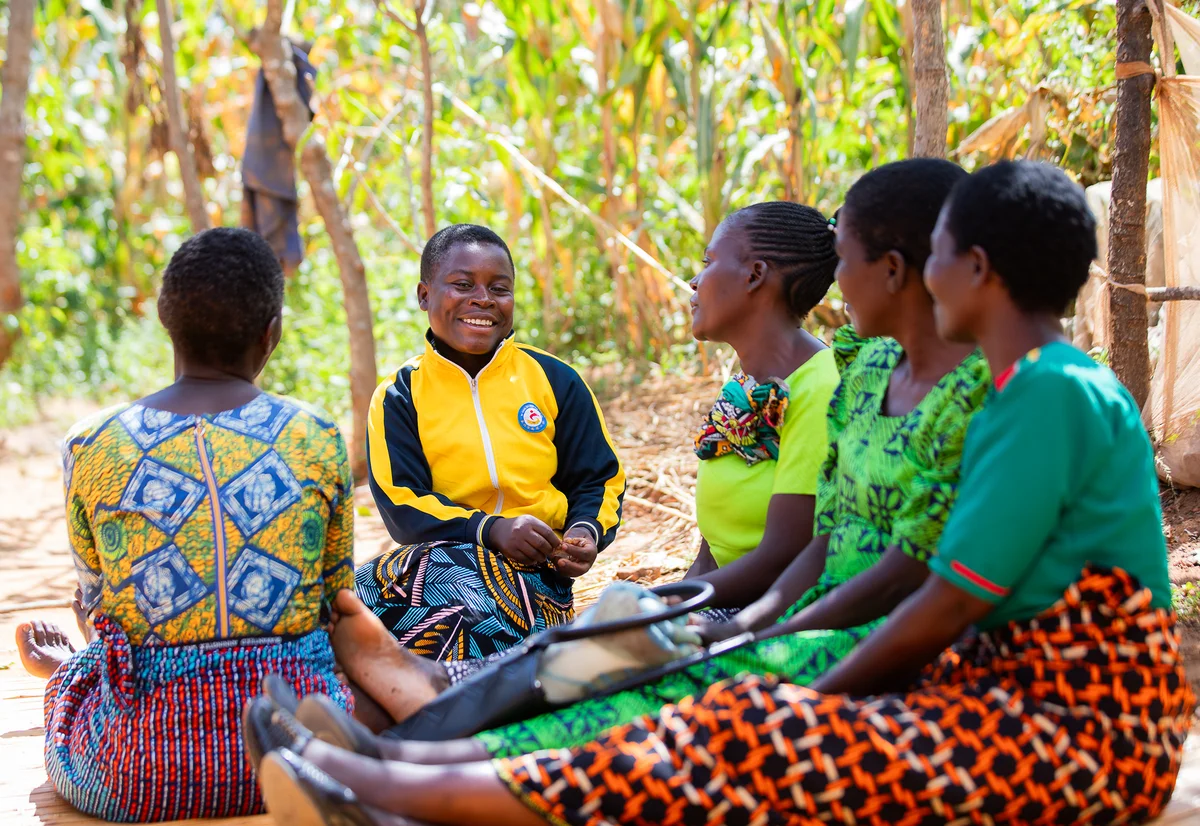
Index of all subtask proportions into a single 100-point score (0-100)
Liberian students participating in the Teaching and Learning in Fragile Contexts project achieved composite literacy scored significantly higher than their peers in comparison schools.
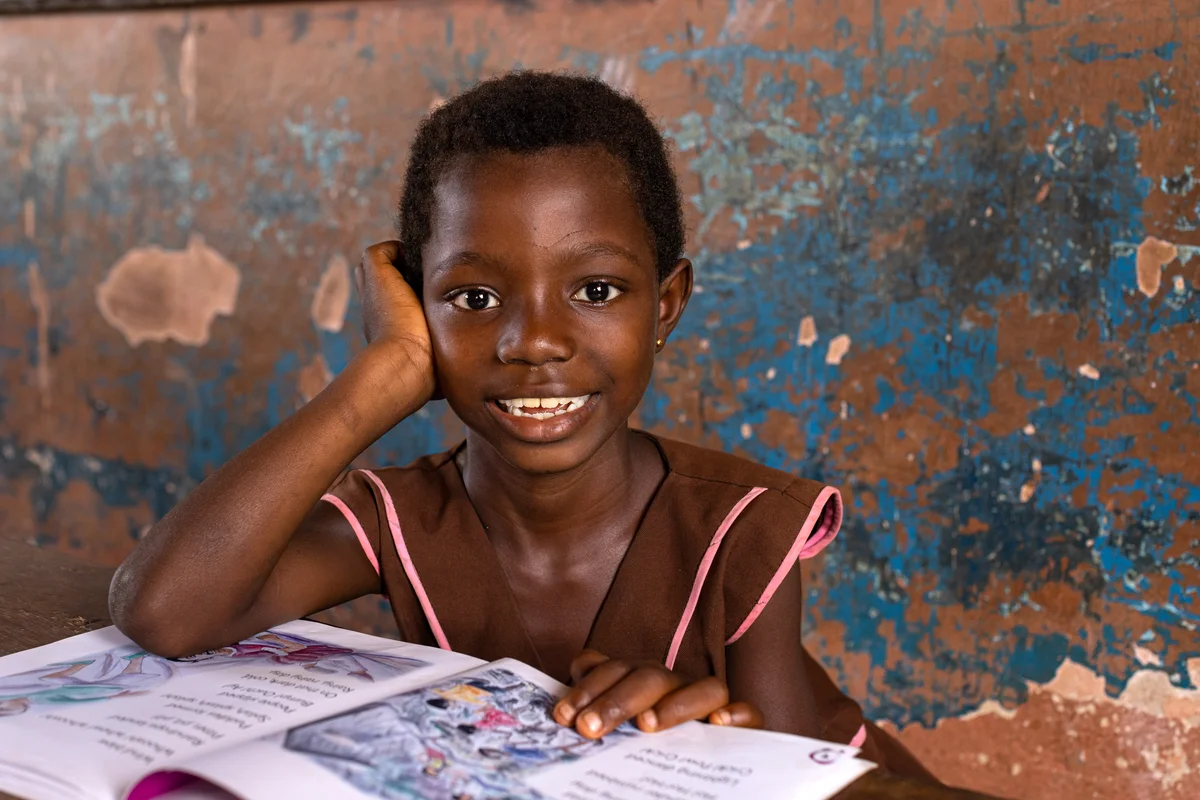 Credit: Hickmatu Leigh/CODE, 2025
Student teachers in Sierra Leone who had completed practical classroom training increased from 45% at the start of the Teaching and Learning in Fragile Contexts project to 100% by project completion.
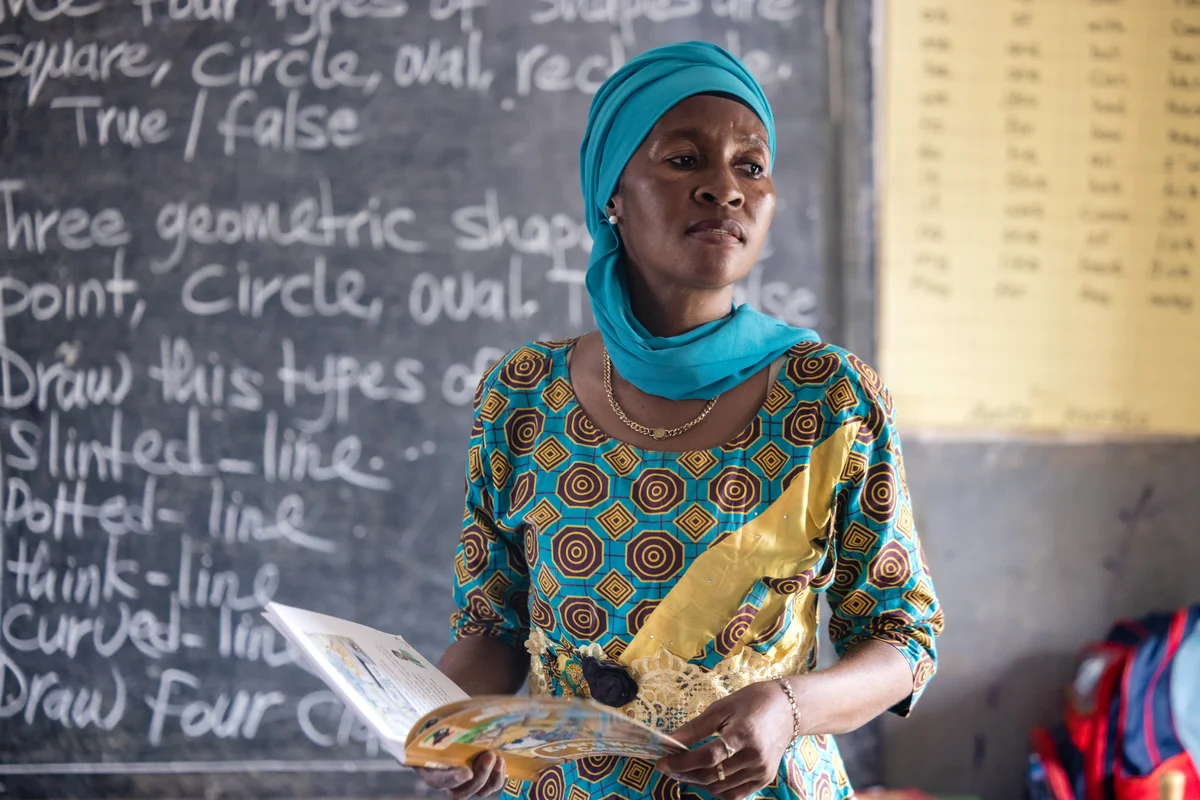 Credit: Hickmatu Leigh/CODE, 2025
Stories of Change
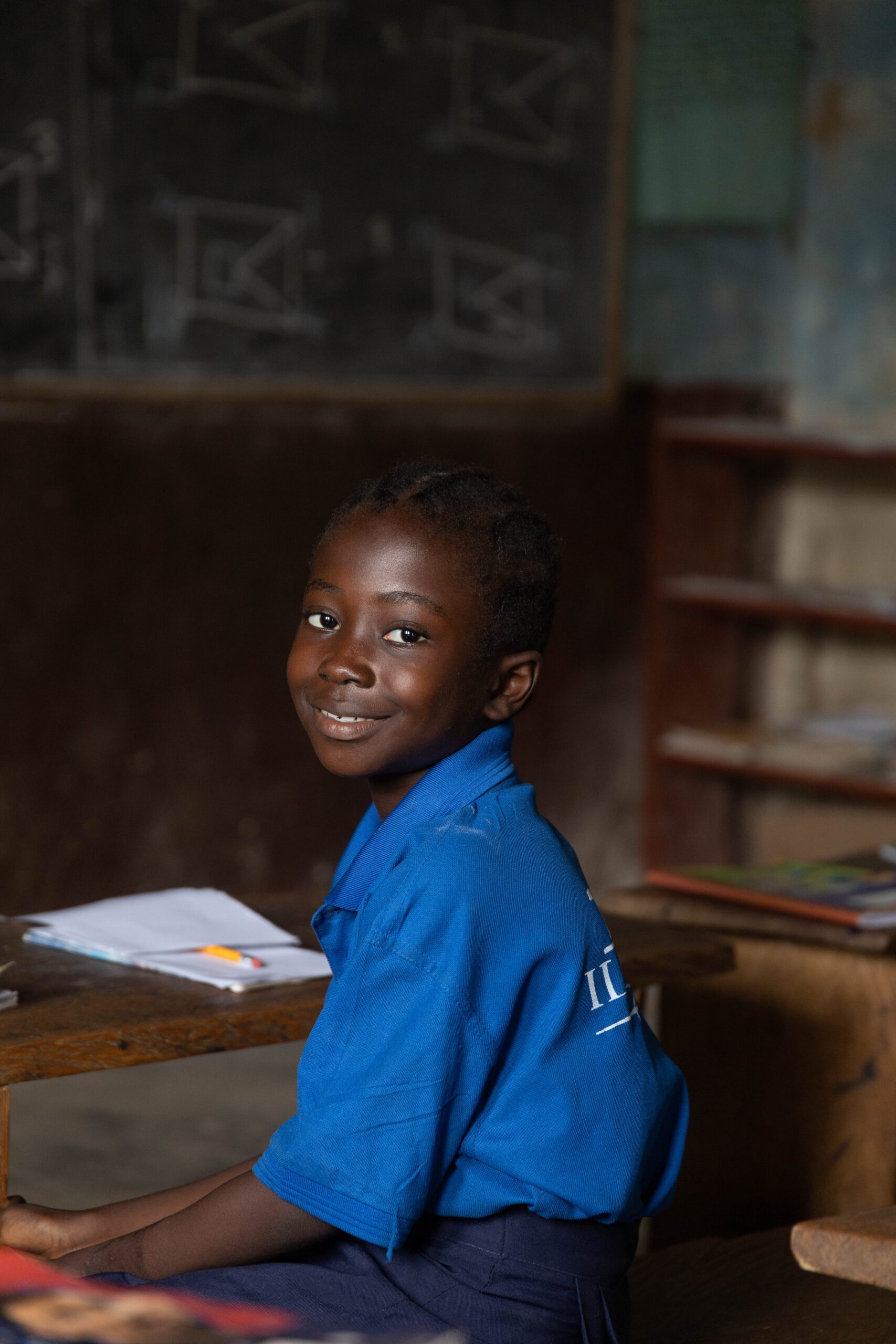 Credit: Hickmatu Leigh/ CODE, 2025
Eight-year-old Mary loves school, but reading has not always come easily. Big words can be difficult, and the textbooks in her Grade 3 classroom are not the colourful storybooks she loves.
Fortunately, Mary has Teacher Sesay in her corner. “My teacher is my friend,” she says. Teacher Sesay reads with Mary, visits her at home and has taught her to break difficult words into smaller parts. When Mary gets an answer wrong, she encourages her to try again.
That encouragement has helped a once-shy Mary find her confidence in the classroom. Now she is eager for more books to discover.
“If there are different books, I would like to read them all,” Mary says. “I will even teach my friends to read.”

The TLFC project has significantly improved my knowledge on teaching activities and provided hands-on experience in the classroom. For me, the TLFC project was an avenue to self-discovery.
Lasting change is built through partnership. CODE works alongside local organizations, educators and communities, bringing together knowledge, experience and resources to advance a shared goal: helping every child learn to read and thrive. Together, we shape approaches grounded in local priorities, informed by evidence and strengthened through shared learning.
These partnerships connect communities, schools, teacher training institutions, ministries of education, funders and CODE around common goals. Each brings distinct strengths and perspectives, and together we build on what works, adapt as we learn, and create the conditions for lasting, system-wide change.
The local organizations profiled below helped bring the projects to life this past year. Other collaborators, including international consortium partners and allies, are recognized in the project descriptions throughout this report.
FAWEMA is the national chapter of the Forum for African Women Educationalists, a federation of 34 chapters across Africa. FAWEMA promotes innovation, policies, practices and programs that enable vulnerable girls and young women to develop skills and knowledge to be productive members of their society. CODE has partnered with FAWEMA since 2022.
Founded in 1992 amid the turmoil of the Liberian civil war, the WE-CARE Foundation emerged with the understanding that Liberia's future hinges on the strength of its education system. Their mission is to enhance the educational landscape in Liberia by providing quality reading materials and fostering teacher professional development. CODE and WE-CARE have been collaborating since 2008 to advance their critical mission.
TALLE was founded in 2004 with a focus on improving the quality of education for children in Sierra Leone. TALLE-RSL's membership represents every district and teacher training institute in the country. Maintaining excellent relationships with the Minister of Basic and Senior Secondary Education, TALLE-RSL is well positioned to advance its literacy- and education-focused mission. We have been working with TALLE-RSL since 2008.
The Olinga Foundation for Human Development aims to transform the instructional practices and attitudes of primary level teachers. Olinga was formed in 1996 under the leadership of Leslie-Casely-Hayford and has become a leading civil society organization in Ghana, frequently called upon by the Ghana Education Service to consult on strategies for improving teacher effectiveness and learning outcomes. CODE and Olinga established their partnership in 2022.

The Children's Book Organization (CBO) envisions a Tanzania in which all children grow up literate and imbued with a love of reading for knowledge, self-advancement, and enjoyment. CBO was formed in 1991 and has a long history with CODE developing children's books and supporting the publishing industry in Tanzania.

In Ghana's Western Region, the Reading Ghana project is helping children build the literacy skills they need to shape brighter futures. Working alongside the Olinga Foundation for Human Development and the Gold Fields Ghana Foundation, the project has reached 15,716 students in 37 primary schools, and distributed over 40,000 books, strengthening reading instruction in communities where educational opportunities are often limited.
This year marked the culmination of the project, with strong evidence of its impact. Nearly three times as many teachers were observed using learner-centred and gender-responsive teaching practices compared to the start of the project, creating more engaging classrooms where children can develop foundational literacy skills. Beyond the classroom, 74 Reading Clubs provided 2,250 students with additional opportunities to read, learn, and grow.
The gains were also evident in students’ learning. Among Primary 5 learners, the proportion demonstrating reading comprehension rose from 17% at the start of the project to 59% by its completion—more than twice the 26% recorded in comparison schools. Primary 2 learners also made significant progress: the proportion remaining at the basic letter-recognition level fell from 30% to just 5%, as more children advanced to higher levels of reading ability.
As the project concludes, its impact will continue through the educators, schools, and local education leaders who are carrying this work forward. District education offices are already expanding successful literacy approaches into additional schools, ensuring that the project's lessons and successes continue to benefit children well beyond its lifetime.
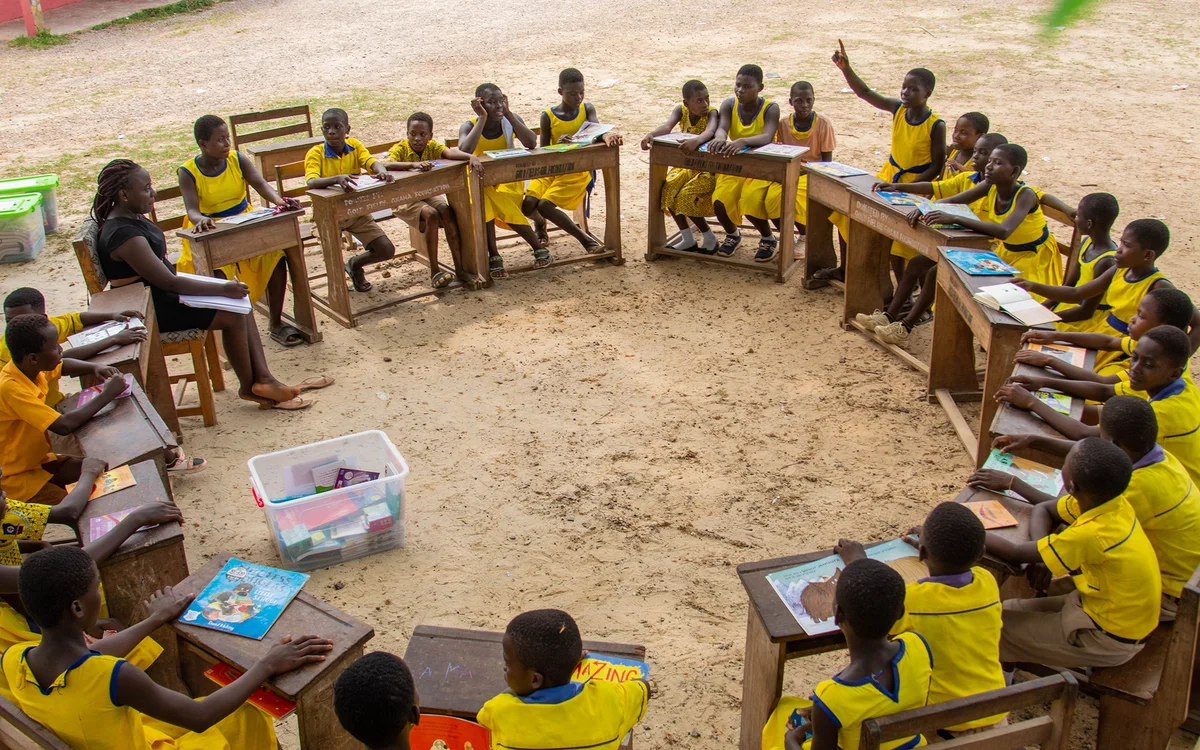 Credit: Kojo Ayeh/CODE, 2024
In Liberia and Sierra Leone, teachers often work in challenging environments where limited resources and ongoing instability can make it difficult for children to build strong literacy skills. With support from Global Affairs Canada, CODE and our partners, the WE-CARE Foundation in Liberia and TALLE-RSL in Sierra Leone, have strengthened teacher education to help ensure more children receive the quality instruction they need to succeed.
As the TLFC project nears completion, the results demonstrate the impact of investing in teachers. In Liberia, Grade 4 students in project schools read 30 more correct words per minute than their peers, while in Sierra Leone, Grade 2 students were 17 percentage points less likely to be “zero readers”— unable to read a single word. Teacher practice also improved significantly, with educators increasingly using active learning and gender-responsive approaches that help create more engaging and inclusive classrooms.
The project also laid the foundation for lasting change. More than 65,000 locally authored books have been distributed to schools and teacher training institutions across both countries, while teacher education institutions have integrated active learning, differentiated instruction, and gender-responsive pedagogy into their curricula. Together, these investments will continue supporting teachers and strengthening literacy outcomes long after the project concludes.
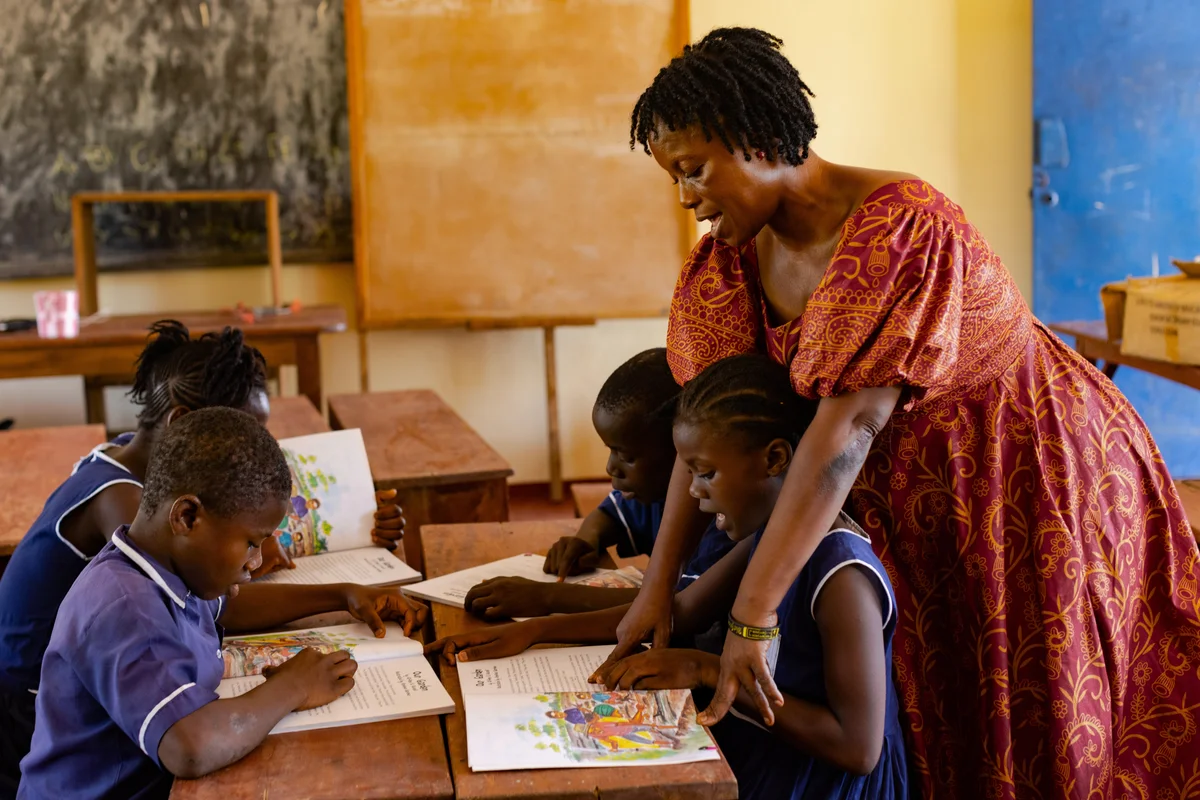 Credit: Hickmatu Leigh/CODE, 2025
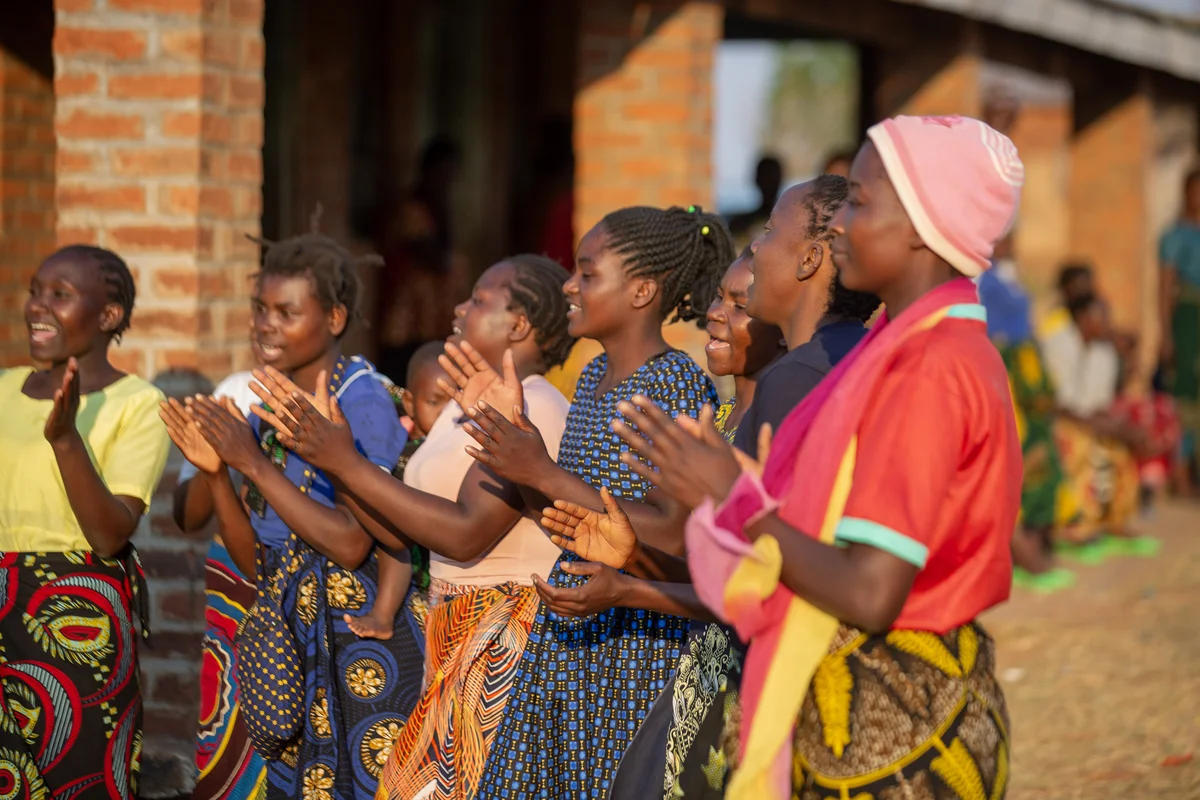
In Malawi, many adolescent girls and young women continue to face barriers to accessing accurate information and services related to their sexual and reproductive health and rights. Through the iHEARD project, CODE and its partners (Farm Radio International and Marie Stopes International) have worked alongside communities, schools, health facilities, and young people to help create safer, healthier environments where adolescents can make informed decisions about their futures.
As the project entered its final year, the endline evaluation demonstrated the impact of this collaborative approach. The project's overall sexual and reproductive health and rights outcomes improved from 59% at baseline to 97%. Knowledge of sexual and reproductive health and rights reached 81%, 77% of participants reported satisfaction with the information they received, and 92% said they were treated with respect when accessing health services. These results reflect meaningful progress in improving both access to information and the quality of services available to adolescents and young women.
The project also continued to strengthen youth leadership and community engagement. During the year, 3,440 puberty education books were distributed, while over 3,000 adolescents participated in school clubs that helped build confidence, leadership, teamwork, and decision-making skills. By working across the education, health, and communications sectors, iHEARD created a coordinated approach that empowered young people while strengthening the systems that support them.
As iHEARD comes to a close, it leaves behind stronger partnerships, greater youth leadership and community-based approaches that can continue supporting adolescents and young women across Malawi. Most importantly, young people are better equipped with the knowledge, confidence and skills to make informed decisions about their health and their futures.
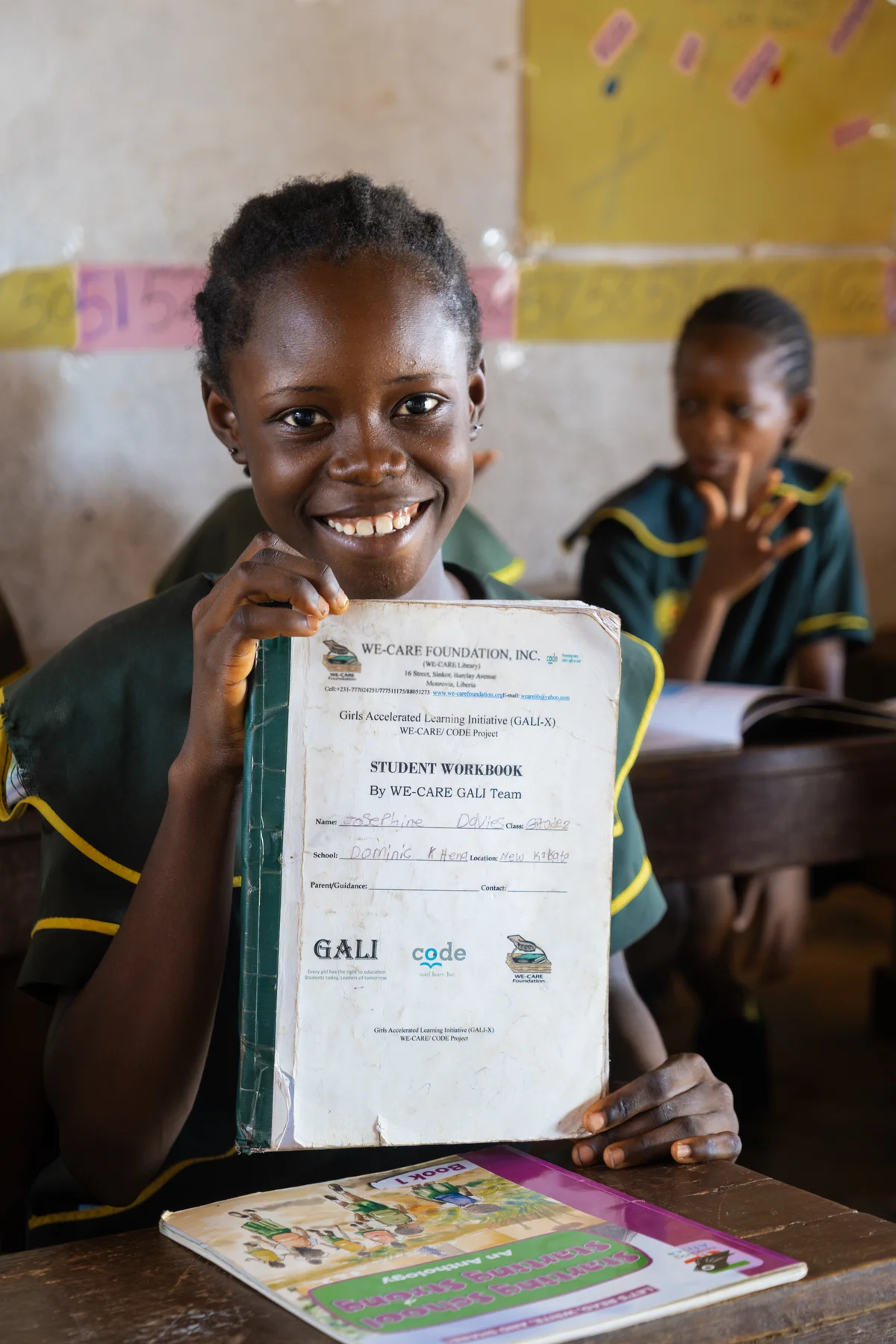
In Liberia, many overage girls face significant barriers to completing their education, including poverty, early marriage, and social stigma. Through the GALI‑X, CODE and the WE-CARE Foundation are helping girls regain confidence, strengthen their literacy skills, and progress toward age-appropriate grade levels, giving them a greater opportunity to stay in school and build brighter futures.
This year, 840 girls participated in daily after-school learning sessions, with 80% advancing to the next grade level at the end of the first semester. The project also continued to strengthen teaching quality, with 44 teachers earning their national C-Certificate. Every participating girl also received training in reusable sanitary pad production, helping reduce menstruation-related absenteeism while building confidence and supporting regular school attendance.
GALI‑X also strengthened the communities that support girls' education. 749 parents and caregivers participated in family engagement meetings, a 31% increase over the previous year, while 421 community leaders took part in discussions across 20 communities to promote girls' education and reduce barriers to learning. At the same time, the project exceeded its targets by reaching 4,206 children across 40 schools and distributing more than 23,000 books, while the Accelerated Kindergarten component achieved a 97% promotion rate, helping children build strong foundations for future learning.
In Malawi's Ntchisi District, many children face barriers to developing strong literacy skills due to overcrowded classrooms, limited access to books, and shortages of trained teachers. Through the Let's Read Ntchisi project, CODE and our partner FAWEMA are working with schools, communities, and the Ministry of Education to create learning environments where children can develop the literacy skills they need to succeed.
During its first year, the project established a strong foundation for long-term impact in these communities. Fifty-five teachers and school leaders received training in the Science of Reading, inclusive teaching practices, coaching, and continuous assessment, nearly double our original training target. To strengthen classroom learning, the project recruited 20 auxiliary teachers and distributed 6,840 books, including supplementary readers, learner textbooks and teacher guides in both English and Chichewa, their local language.
The project also invested in creating literacy-rich learning environments. Across 11 schools, classrooms were equipped with new teaching and learning materials, while renovations improved safety and security for students and protected learning resources. These efforts are helping teachers create more engaging classrooms and giving 1,239 children greater access to quality literacy instruction and reading materials.
In the coming year, Let's Read Ntchisi will expand school-based mentoring, strengthen Teacher Learning Circles, and provide learners with opportunities to showcase their reading skills through literacy events. Continued collaboration with the Ministry of Education, district officials, FAWEMA, and local communities will help ensure that the project's successes are sustained after implementation ends.
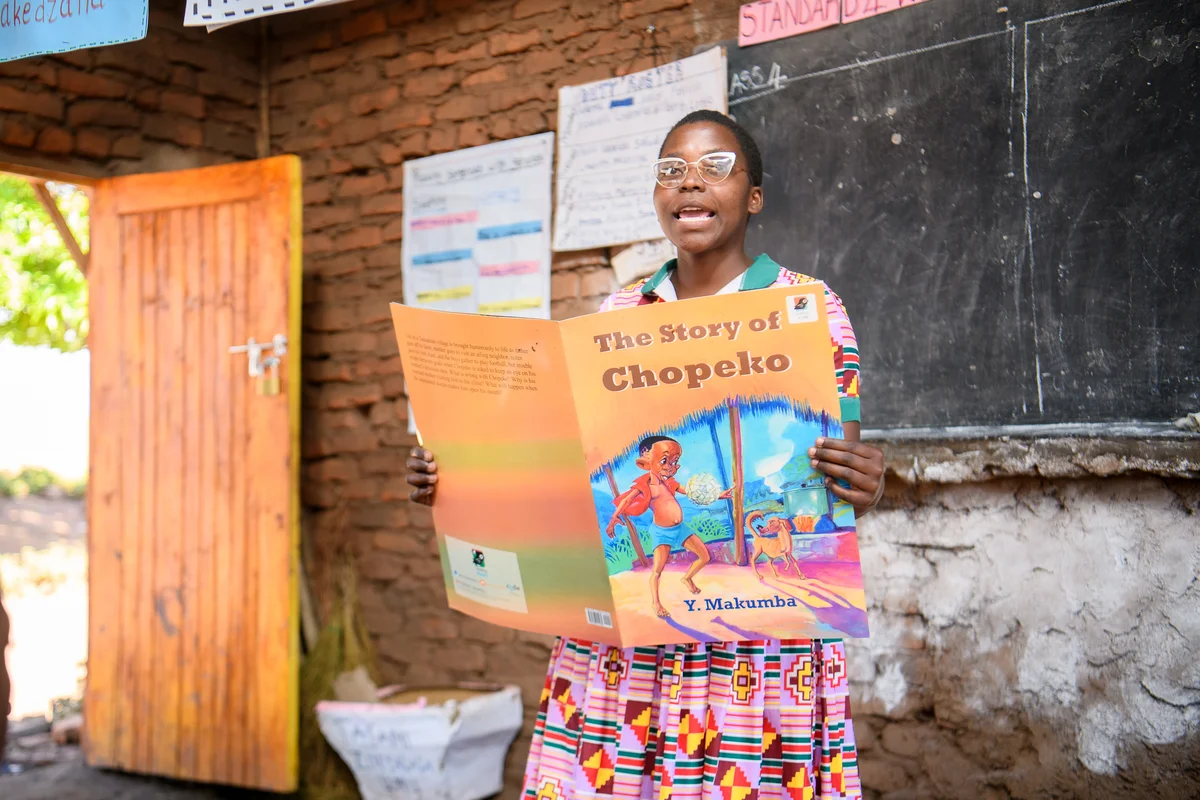
Stories of Change
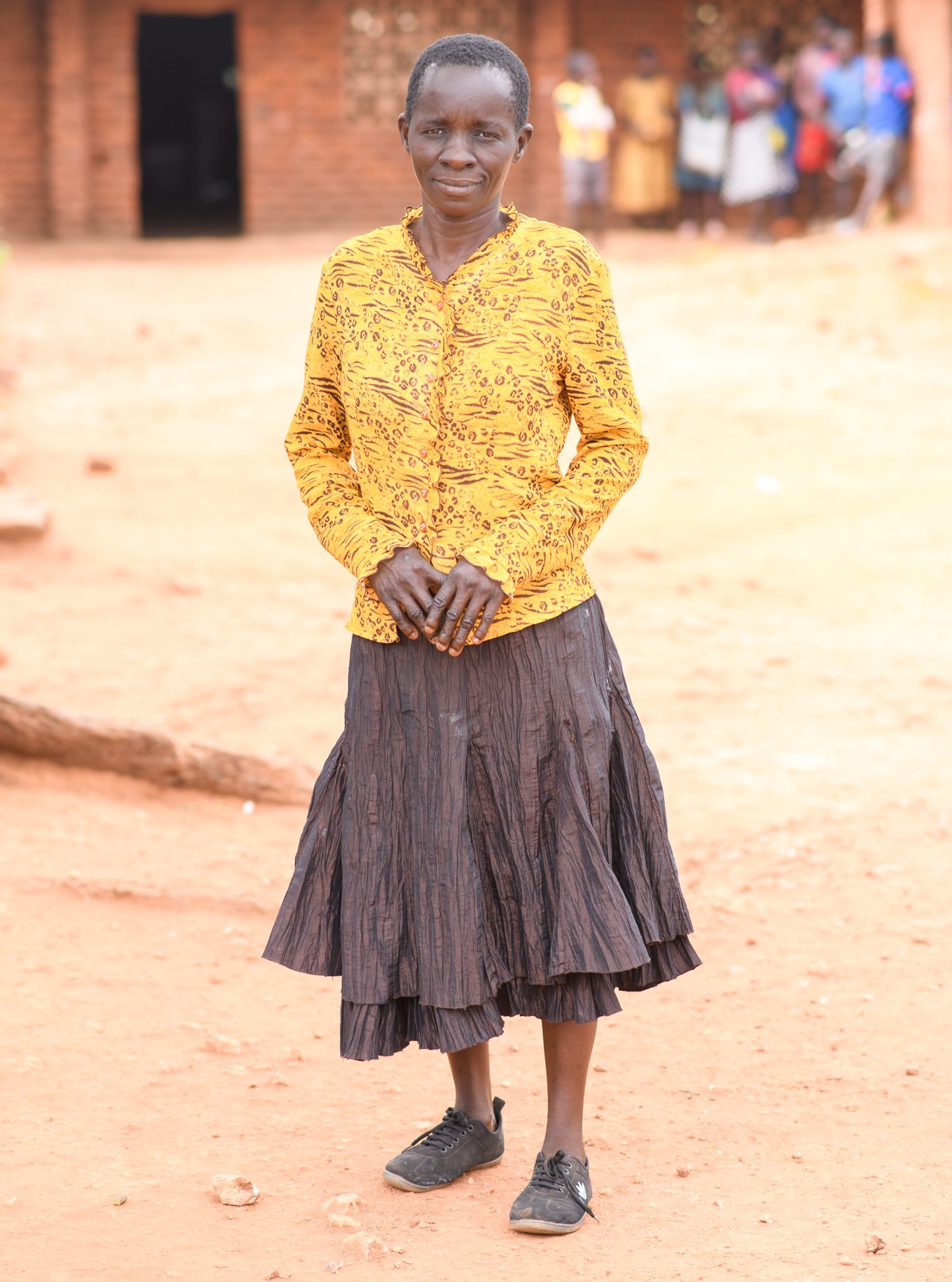 Credit: Ulemu Nkoma/CODE, 2026
After 14 years as a teacher, Chifundo still finds her greatest joy in a simple moment: seeing a child who has been struggling begin to improve. It’s why she became a teacher in the first place – to help young people realize their dreams.
At Mnjima Primary School, that commitment is being matched with new opportunities. Through Let’s Read Ntchisi!, Chifundo is building her skills through teacher training, while new children’s books and improvements to classrooms are creating a richer environment for her students to learn.
For an experienced teacher who had not participated in formal training since 2021, the opportunity to learn and grow alongside her students matters. And every child who makes that leap from struggling to succeeding brings Chifundo back to what she loves most about teaching.

You came at the right time when we have critical shortage of teachers and books in schools. This includes the capacity building of the teachers in different areas like the creation of the print rich environment. The print rich environment is playing a big role in developing interest in learners to read.
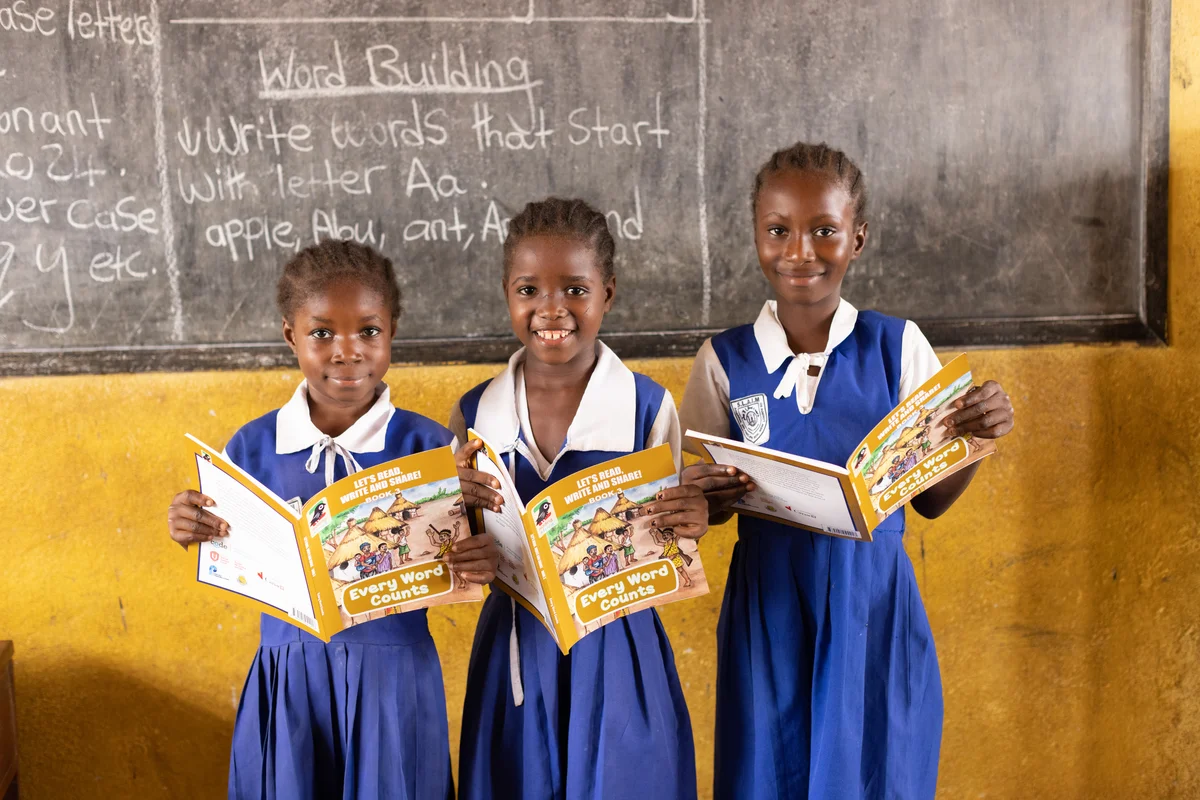
Teachers made the greatest improvements when they had opportunities to learn from one another. In GALI-X, Communities of Practice enabled teachers to collaboratively strengthen lesson planning and instructional techniques, with 85% of participating teachers demonstrating the ability to develop SMART learning objectives. Similarly, Teaching and Learning in Fragile Contexts found that peer learning through Teacher Learning Circles and Communities of Practice was most effective when supported by dedicated time, mentoring, and institutional recognition.
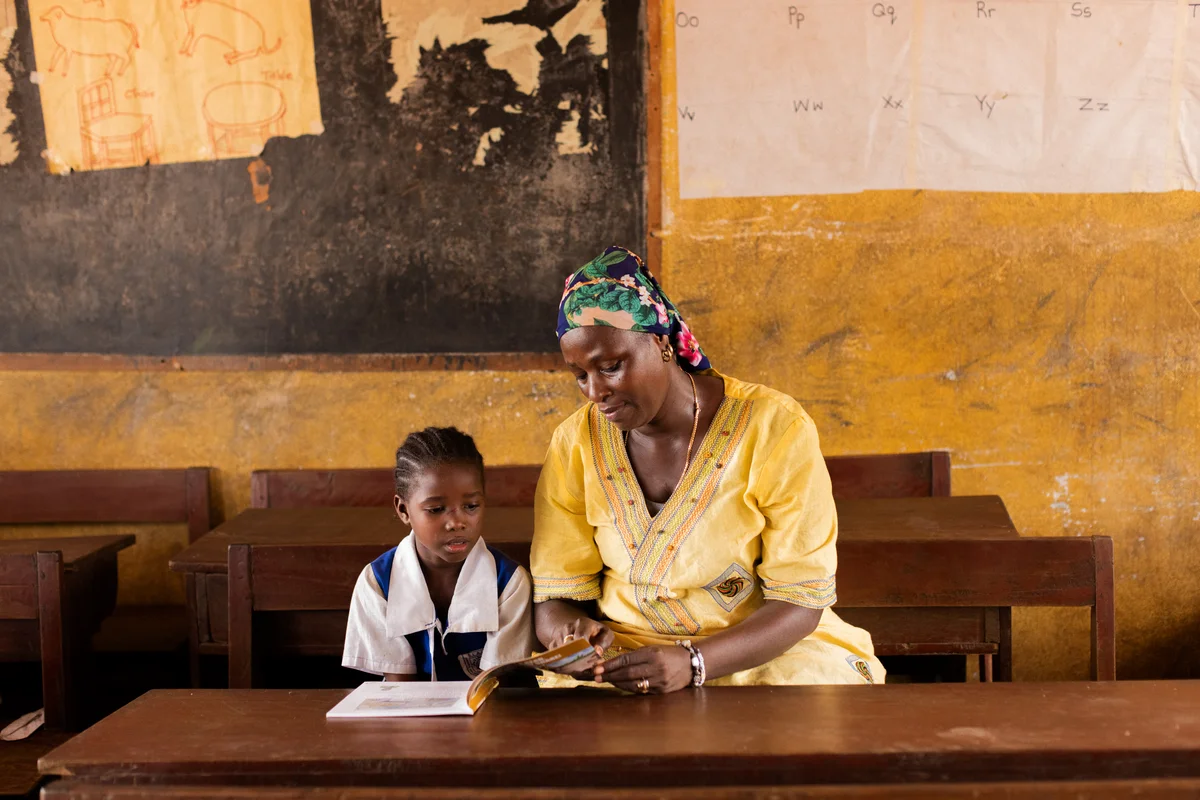
Across projects, ongoing coaching proved more effective than one-time training. In GALI-X, monitors who combined classroom observations with structured feedback, modelling, and practical follow-up actions saw stronger improvements in teaching practice than observation alone. Teaching and Learning in Fragile Contexts reinforced this finding, demonstrating that practicum supervision, mentoring, coaching, and reflection were essential for helping teachers translate training into improved classroom instruction.
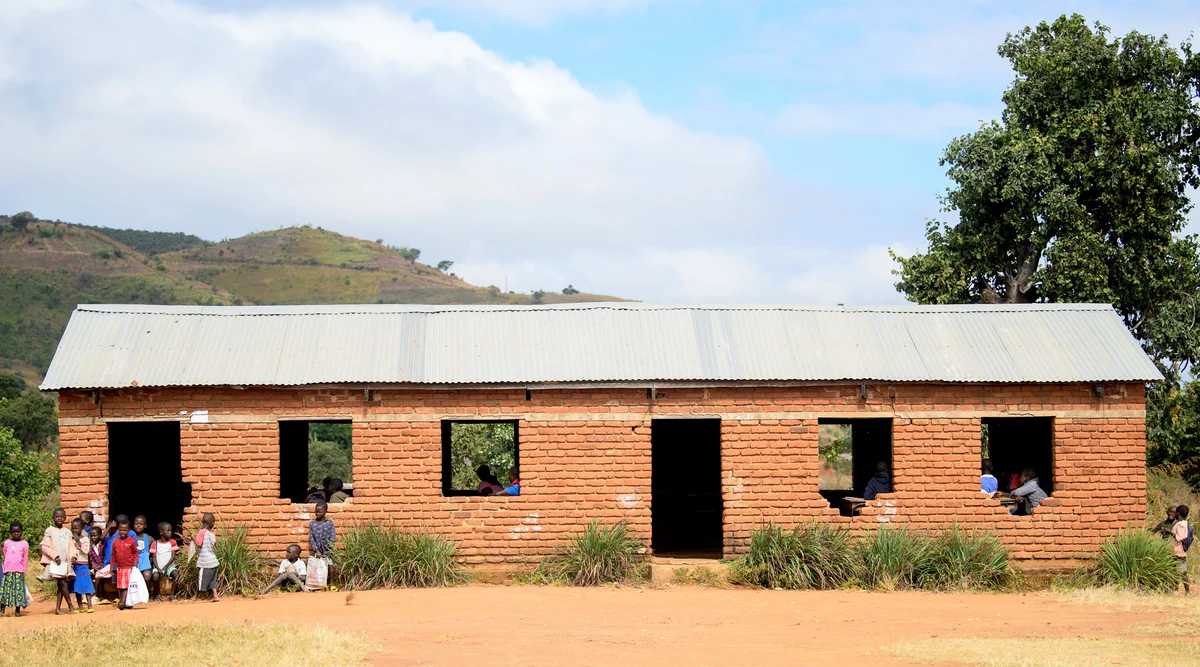
Programs achieved stronger and more sustainable results when education leaders were actively engaged. In Reading Ghana, headteachers introduced daily reading periods, strengthened teacher accountability, and established structured book-lending systems that helped build a culture of reading. At the district level, education authorities and the National Teaching Council reinforced these efforts through ongoing monitoring and professional recognition. Likewise, Let's Read Ntchisi demonstrated that involving education authorities, school leaders, and communities from the outset strengthened ownership and long-term sustainability.
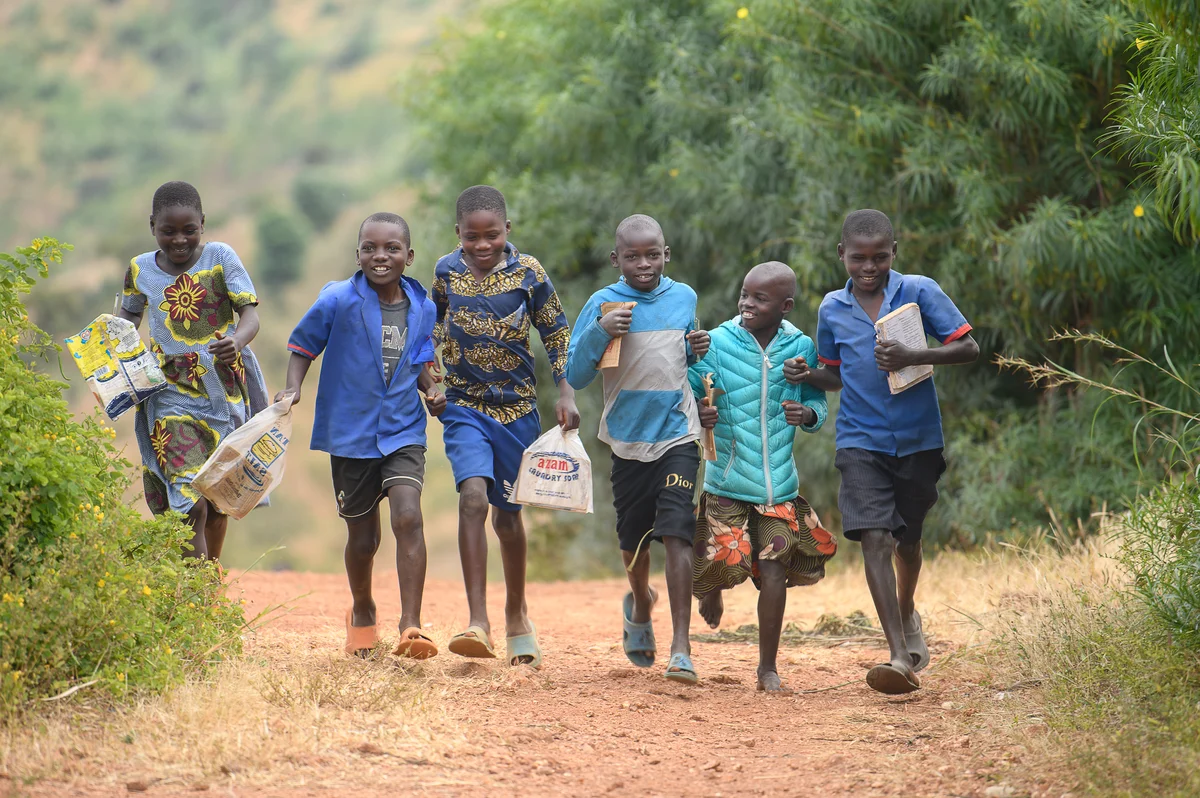
Learning outcomes improved when communities became active partners in education. Let's Read Ntchisi found that children were more engaged when parents encouraged reading at home, supported regular attendance, and participated through Parent Teacher Associations. Similarly, iHEARD demonstrated that working alongside traditional leaders, teachers, health workers, Mother Groups, and youth leaders created more supportive environments for young people and increased community ownership of project activities.
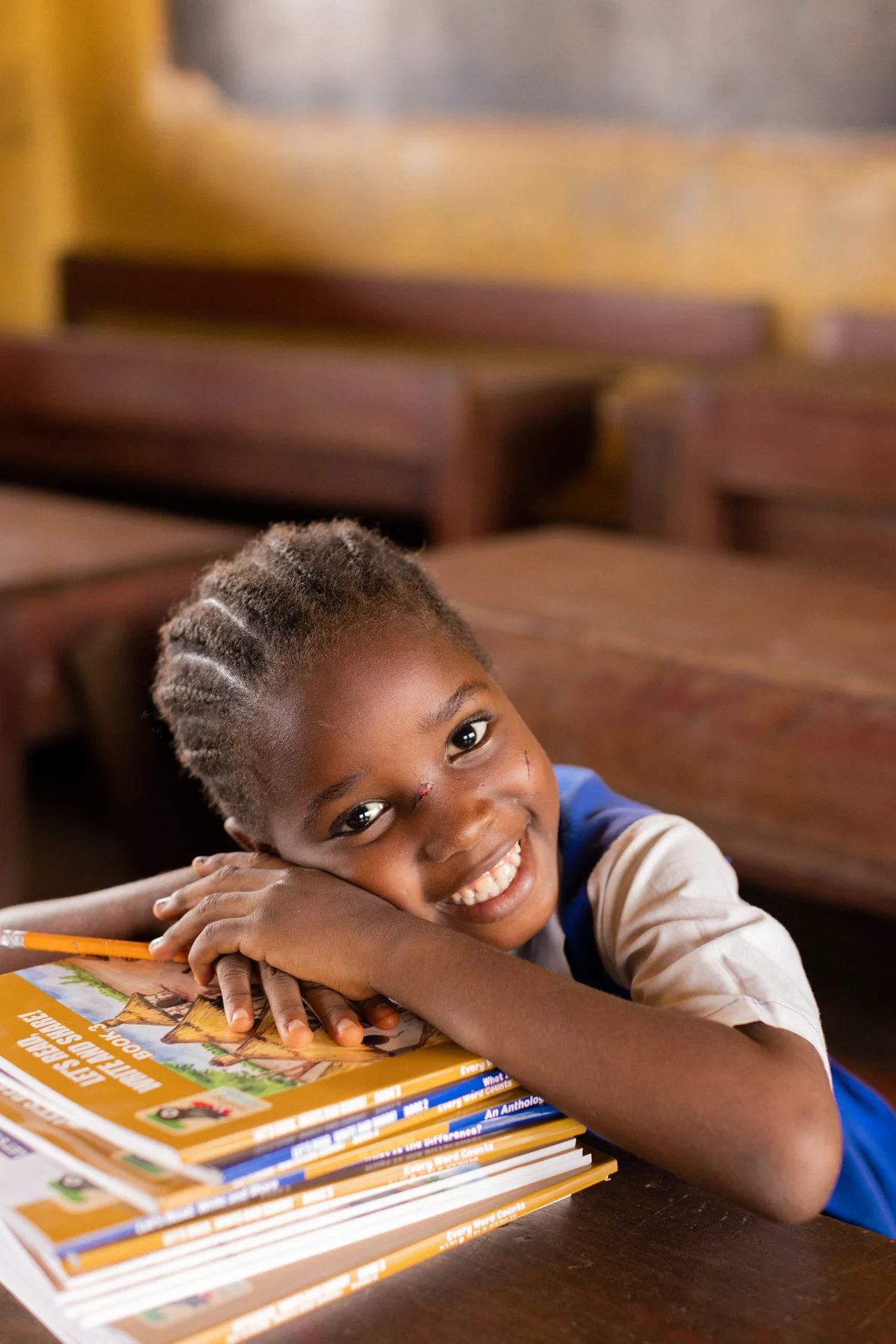
Providing books is only the first step. Reading Ghana found that print-rich classrooms, culturally relevant books, teacher-created learning materials, and structured book-lending systems significantly increased children's enthusiasm for reading. Teaching and Learning in Fragile Contexts reinforced this lesson, showing that books had the greatest impact when teachers were equipped to use them through read-alouds, storytelling, discussion, vocabulary development, and regular reading practice.

Over the past thirty-six (36) months, our municipality has witnessed a transformative improvement in the quality of education and teacher professionalism. This remarkable progress is directly attributable to the deliberate and strategic interventions implemented by Olinga Foundation, CODE & Goldfields Ghana Limited.
Chair, former Ambassador, Global Affairs Canada
Executive Vice President, Legal and Enforcement, Financial Services Regulatory Authority of Ontario
Vice Chair, VP Corporate Services and CFO, Canadian Blood Services, Ret.
Retired Investment Professional
Professor Emeritus, The University of Texas at Austin
Senior Vice President Human Resources, HUB International
Associate Professor at the University of Nairobi
Founder and Learning Experience Designer, Momentswithbren Consulting, Member of the Order of Canada
Director, Institute of African Studies at Carleton University
Physician specializing in Intensive Care and Internal Medicine, Trillium Health Partners
Dean Emeritus and Professor Emeritus of Language and Literacy Education, University of British Columbia
Practice Lead, Leadership and Performance, WATSON Advisors Inc.
CODE CEO/Ex-Officio
Honourary Life Counsel
Chief Executive Officer
Chief Development Officer
Director, Programs and Partnerships
Chief Financial Officer
We are deeply grateful to every donor who supported CODE this year. While we cannot recognize everyone by name, we are pleased to acknowledge the following individuals and organizations who made gifts of $1,000 or more.
The 2025–26 fiscal year was one of continued focus and responsible financial stewardship for CODE. With several major projects moving through different stages of their funding cycles, CODE managed its resources carefully while continuing to invest in programs that advance literacy and education in the communities we serve.
Total revenue for the year was $8.37 million. Global Affairs Canada funded projects remained CODE’s largest source of funding, contributing $4.97 million, or 59% of total revenue. Donations from individuals, foundations and other supporters contributed $2.04 million, while the CODE Foundation provided an additional $1.38 million in support. Investment activity resulted in a small loss of approximately $22,000 mostly attributed to foreign exchange.
CODE invested $8.29 million during the year, with 79% directed to program development and delivery. These funds supported CODE and its local partners in delivering literacy and education programs, strengthening teaching practices, developing and distributing learning materials, and supporting children and communities across the countries where we work. A further 8% supported fundraising activities and 13% supported the administration and infrastructure necessary to responsibly manage CODE’s programs and resources.
CODE ended the year with a modest surplus, reflecting careful management of resources in a changing international development environment. Maintaining financial stability allows CODE to meet its commitments to partners and funders while remaining positioned to respond to future opportunities and emerging needs.
CODE remains committed to strong financial oversight, transparency and accountability. The Finance & Audit Committee provides ongoing oversight of CODE’s financial management, and our annual financial statements are independently audited.
Most importantly, the numbers reflect the trust placed in CODE by our donors, funders and partners. We remain committed to ensuring that the resources entrusted to us are managed responsibly and directed toward creating lasting improvements in literacy and learning.
For supporters thousands of kilometres away in Canada, photography has a remarkable ability to bring CODE’s work to life. It lets us glimpse a classroom in Malawi, meet a young reader in Liberia, or see the pride of a teacher in Tanzania. These images help connect the generosity of our supporters with the people, places and possibilities their support helps make possible.
The photographs throughout this report are captured by talented photographers who live and work in the countries where CODE and our partners work. This is intentional. Just as our programs are rooted in local leadership and expertise, we believe the stories of that work should also be shaped by people who understand its context.
Local photographers bring artistic talent, cultural understanding and their own perspective to every image. Their work allows us to share these stories across thousands of kilometres while honouring something important to CODE: who is behind the lens matters, too.
We are proud to feature the work of:
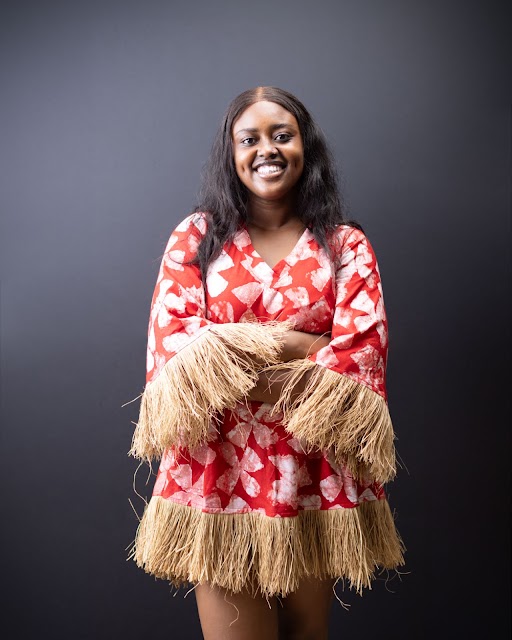
Hickmatu Bintu Leigh is a Sierra Leonean photographer, filmmaker and storyteller deeply passionate about women, culture, memory and the stories that shape us. Based in Freetown, she uses her lens to document, question and preserve stories often left untold. Through LensesofHickma and AWATS, she creates work rooted in connection, gender justice and a love for African women and their stories.
Photography featured in the 2026 CODE Impact Report: Kojo Ayeh, Hickmatu Leigh, Jabo Maseko, Chimwemwe Mkandawire, Ulemu Nkhoma and Turvon Weah
